The Source Reduction Summit
Designed for teams building SB 54: Producers, Suppliers, Converters
June 3–4, 2026
A 2 day summit with an optional informal reception on June 2 for early arrivals.
Location
RTI International Headquarters; Durham, North Carolina
Supporting Sponsors



.svg)
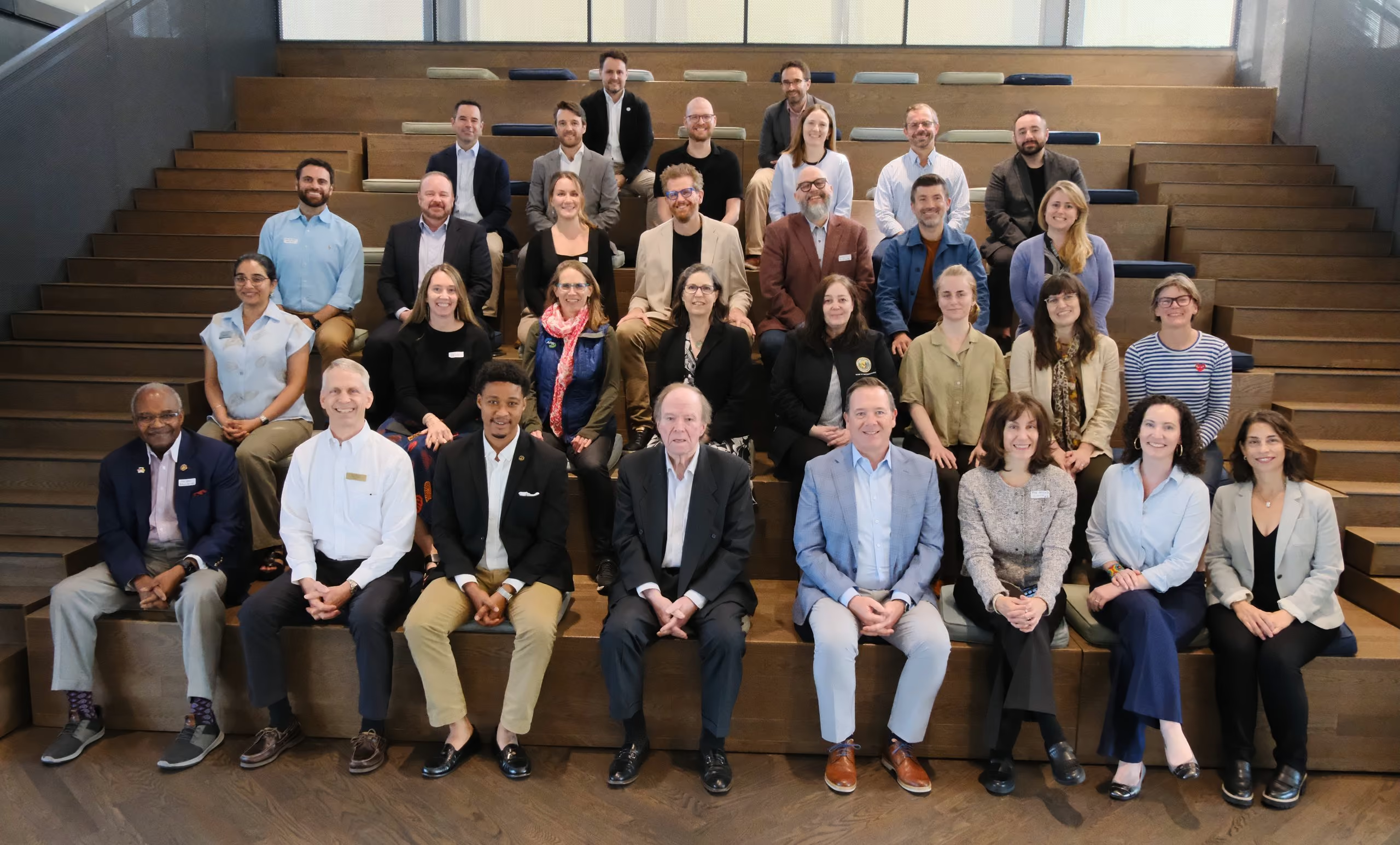
Experiential Summit designed for teams bringing EPR to life
The Source Reduction Summit is an intensive, expert-led working session that brings producers, key suppliers and converters, and top SB 54, packaging, and EPR experts into the same room so teams can quickly absorb the latest source reduction expectations and understand what they mean in practice across the value chain.
Leading SB 54 Experts
Coordinate implementation across states, align on program design, and gain direct insight into producer readiness and challenges.
Structured Format
Structured opportunities to hear how other producers and supply‑chain actors are thinking about similar challenges.
Rapid Learning Environment
Focused time to identify the key decisions, dependencies, and questions your team needs to work through after the Summit.
In-person Ecosystem
Move your policy forward faster with frameworks tested across jurisdictions and peers who've been there.
Summit Agenda
SB 54 is here. California's obligated producers must build Individual Source Reduction Plans. Deadlines are real. The five pathways are complex. Most teams are figuring it out for the first time.
The Source Reduction Summit is a working forum for the teams doing that work. Producers, suppliers, converters, and technical experts gather in one room. The goal is simple — save time, avoid dead ends, and bring the right partners to the table. Arrive on Day Zero - June 2, and join Summit attendees at an informal reception to network.
Day 1 focuses on the short term — what a compliant plan looks like. Understand the five source reduction pathways. Walk through qualifying actions. Hear directly from CAA on program intent and plan expectations.
Day 2 focuses on the long term — what an implementable plan looks like. Pressure-test pathway assumptions against your portfolio. Hear from suppliers and converters on what's actually feasible. Align internally on what "ready" looks like in practice.
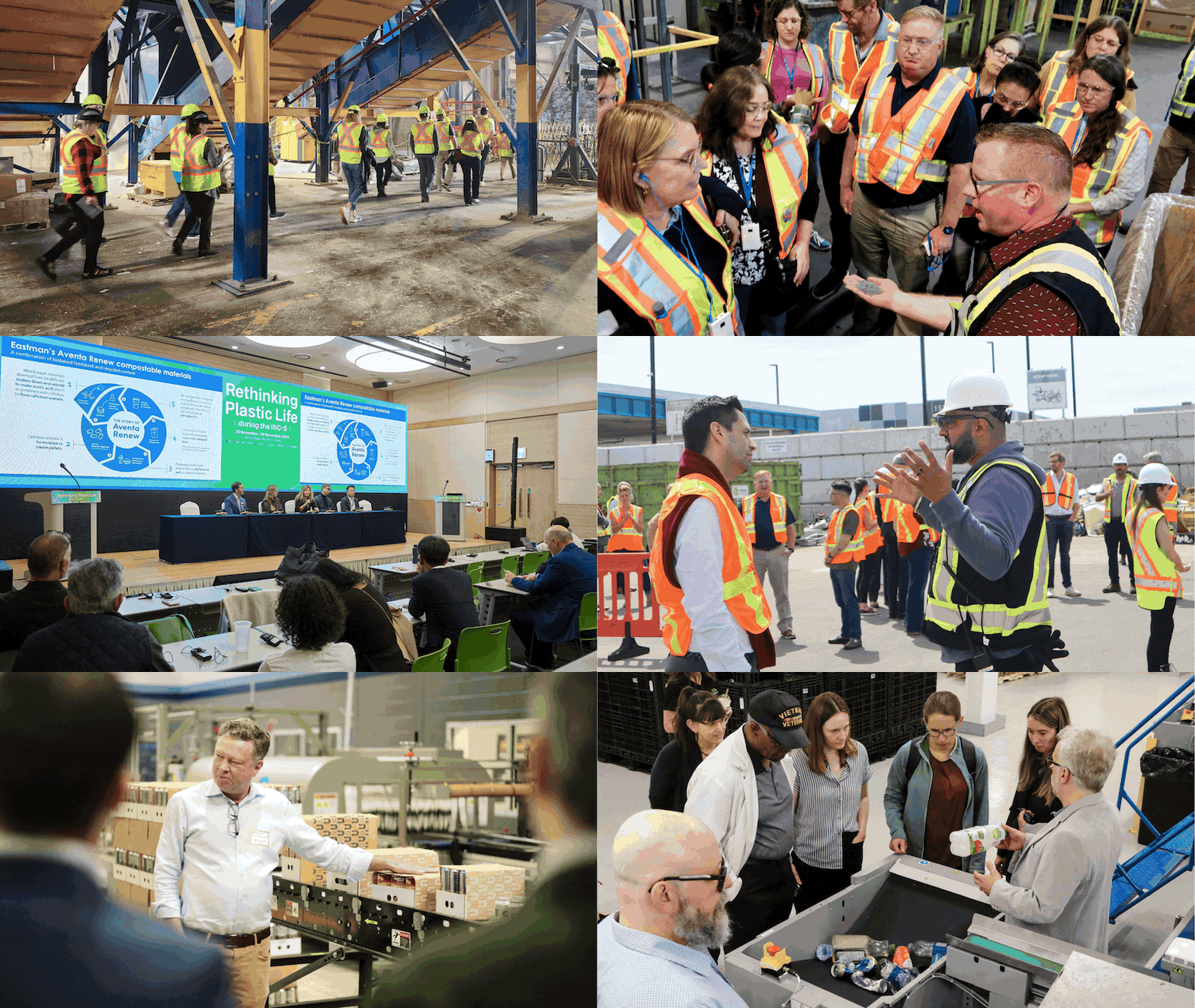
Source Reduction Summit attendees are invited to register for optional tours of RTI facilities—the Microplastics Lab and Energy Systems Lab & Pilot Xcelerator.
Tours are offered on Tuesday, June 2nd, and Friday, June 5th. Space is limited. Visit this link for more information and to register.
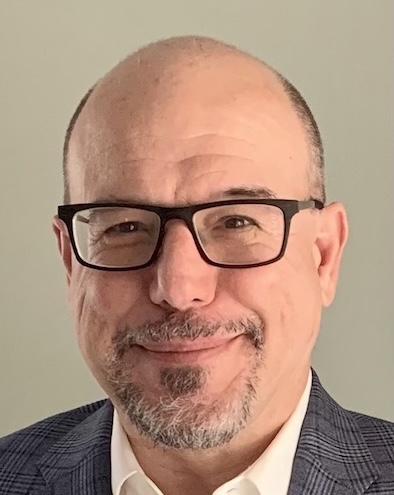
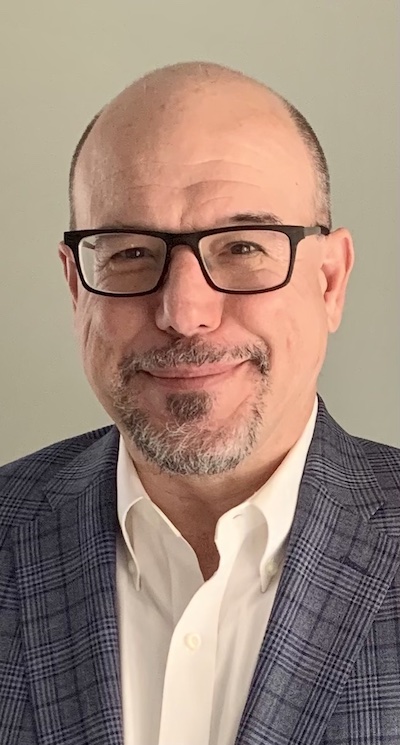
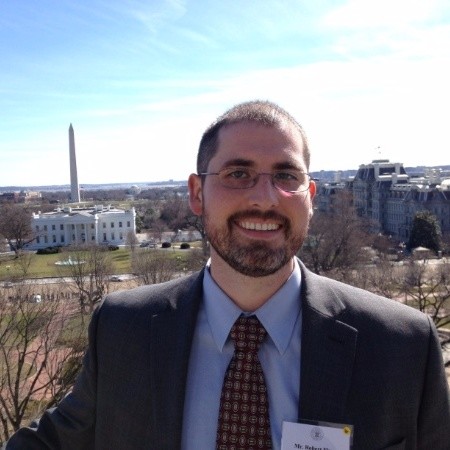
Featured Speakers















.jpg)









.jpg)
Event Access & Tickets
Each Circle member organization receives two complimentary tickets to the Source Reduction Summit as part of their membership benefits. These complimentary tickets are reserved for employees of the member company and are not transferable to external supply‑chain partners (such as suppliers, converters, or consultants).
Member companies are encouraged to use these two complementary tickets for the internal leaders most central to SB 54, packaging, and sourcing decisions.
Non-members are welcome to attend. Single tickets for non-members are $1500. Two tickets are $1111 per person. Three tickets or more are $850 per person.
Lodging and Transportation
Attendees are responsible for booking their own lodging. We’ve secured special event prices (~$120 + tax) available for standard rooms at the following properties on a first-come, first-serve basis.
When booking, please note you are part of the RTI room block.
Shuttle from hotels to the RTI campus is available from most properties (as noted above).

Source Reduction Summit FAQs
RTI International Campus, Holden - Building 243 East Institute Drive, Durham, NC 27703
The Source Reduction Summit takes place June 3–4, 2026, with an optional informal reception on June 2 for attendees arriving early.
June 3 & 4 are the primary program days, while June 2 (“Day 0”) is an optional evening
You’ll need to check in each day ahead of program start at 9 am.
Light breakfast, coffee & tea throughout the day, lunch, and light refreshments after programming will be provided on June 3 and 4.
Attendees are responsible for booking their own travel and lodging.
We’ve secured special event prices (~$120 + tax) available for standard rooms at the following properties on a first-come, first-serve basis. When booking, please note you are part of the RTI room block.
You’ll need to check in each day ahead of program start at 9 am.
DoubleTree Suites by Hilton RTP - Call (919) 941-6000 and note RTI Room Block.
Shuttle from RDU Airport available
Shuttle to RTI campus available
Hilton Garden Inn Miami Blvd - Book Now
Shuttle to RTI campus available
Hyatt Place Durham Southpoint - Book Now
Shuttle to RTI campus available
Fairfield by Marriott – Durham Southpoint - Book Now
Shuttle to RTI campus available
Residence Inn MacPherson Duke (Durham) - Call (919) 680-4440 and note RTI Room Block.
NO shuttle from airport or RTI campus available
Event purpose and value
The Source Reduction Summit is a working forum for the teams responsible for SB54 Individual Source Reduction Plans - designed to help you save time, avoid spinning your wheels, and bring the right partners into the room.
Producers, suppliers, converters, PRO leadership and technical experts convene together so all parts of the value chain needed to build both compliant and implementable plans are at the table.
You will leave with:
A much clearer understanding of how SB54’s source‑reduction requirements apply to your portfolio
A shared internal view of whic source‑reduction pathways (reuse, elimination, right‑sizing, material changes, PCR) are most realistic for your company to explore
A more realistic sense of sequencing and timing—what can be piloted quickly, what requires deeper supply‑chain changes or capital decisions, and where you may need to monitor evolving guidance.
Virtual learning exchanges with producers & experts are essential for understanding rules and timelines, but they rarely put your internal team and the broader ecosystem in the same room for sustained, structured learning. Over two days, the Summit
compresses months of fragmented touchpoints into:
High‑density exposure to leading experts on SB54, source reduction, packaging design, and implementation.
Structured opportunities to hear how other producers and supply‑chain actors are thinking about similar challenges.
Focused time to identify the key decisions, dependencies, and questions your team needs to work through after the Summit.
Instead of piecemeal input over many months, your team gets concentrated, context‑rich guidance it can immediately use to shape internal work.
Scope, content, and level
The Summit helps the value chain share an understanding of 5 source reduction pathways outlined in PRO guidance for Individual Source Reduction Plans: Reuse & Refill; Elimination; Right-Sizing,Light-weighting & bulk format; Material Substitution; and PCR Increase.
Building on this foundational understanding, participants will deep-dive into assumptions & scenarios for each pathway to help teams understand what is viable for their unique portfolio.
Both. Early sessions create a shared foundation for teams that are just beginning their ISR planning. Later discussions and Q&A go deeper for teams that already have draft concepts or internal analyses and want to sharpen their questions, understand
trade‑offs, and stress‑test assumptions with the value chain & other experts.
The Summit is structured around smaller‑group discussions and Q&A blocks where you can explore portfolio‑specific scenarios and challenges within clear antitrust guardrails. These are complemented by briefings & debriefs. The aim is to give you enough space to make the content real for your own plan without sharing competitively sensitive information.
Who should attend and how many?
We recommend 2–4 attendees per producer, with a mix that reflects how your organization actually makes packaging and sourcing decisions.
A strong configuration is:
Sustainability/EPR lead who owns SB 54 and broader packaging strategy.
Packaging engineering or R&D lead with detailed format specification and performance knowledge.
Legal/compliance lead tracking SB 54, PRO obligations, contracts, and related EPR developments.
Supply chain or procurement lead who understands key supplier and converter relationships and can speak to feasibility, lead times, and commercial realities.
Leaders, technical managers, and client relations individuals from suppliers, converters, & co-packagers are also critical attendees.
Please note complimentary member tickets & pricing rules below.
In short, it is where teams can “digest” official guidance with expert help and peer perspective.
The primary audience is the working‑level and cross‑functional leaders who will shape, coordinate, and implement source‑reduction planning. Senior leaders are welcome—especially if they are sponsoring the work internally—but the content is built for those who manage day-to-day packaging, compliance, sourcing, and operational
decisions.
Yes. suppliers, converters, co‑packers, and external consultants are encouraged to attend, subject to capacity and the same confidentiality and antitrust safeguards as producers.
Antitrust, confidentiality, and Chatham House Rule
Because companies that may compete with each other will be present, the Summit will operate under strict antitrust guardrails. Discussions will focus on:
Regulatory expectations & PRO guidance resources
Technical/implementation issues
High‑level strategies and non‑competitive lessons learned
Participants will not be permitted to share or solicit competitively sensitive information (such as prices, margins, volumes, customer allocations, or supplier‑specific commercial tactics). Clear guidance will be provided, and facilitators and counsel will actively redirect any conversation that drifts toward sensitive topics.
The Summit will follow the Chatham House Rule: participants are free to use the information and insights they receive, but they may not attribute specific comments to individuals, companies, or organizations outside the meeting. This is intended to support candid discussion while protecting participants and encouraging honest,
practical exchange.
Polling and Q&A will be moderated and designed to stay within legal guardrails. Questions that trend toward competitively sensitive topics will be declined, reframed, or answered only in a generalized way. Polls will focus on anonymous, aggregated self-reflection on readiness levels and common obstacles - not on company‑specific commercial data.
External counsel will be present throughout the event and help ensure discussions remain within appropriate legal boundaries. If a conversation starts drifting into sensitive territory, facilitators or counsel will intervene, redirect, or close down that line of discussion, and participants will be reminded of the guidelines.
Who should attend and how many?
We recommend 2–4 attendees per producer, with a mix that reflects how your organization actually makes packaging and sourcing decisions.
A strong configuration is:
Sustainability/EPR lead who owns SB 54 and broader packaging strategy.
Packaging engineering or R&D lead with detailed format specification and performance knowledge.
Legal/compliance lead tracking SB 54, PRO obligations, contracts, and related EPR developments.
Supply chain or procurement lead who understands key supplier and converter relationships and can speak to feasibility, lead times, and commercial realities.
Leaders, technical managers, and client relations individuals from suppliers, converters, & co-packagers are also critical attendees.
Please note complimentary member tickets & pricing rules below.
The primary audience is the working‑level and cross‑functional leaders who will shape,
coordinate, and implement source‑reduction planning. Senior leaders are welcome—especially if they are sponsoring the work internally—but the content is built for those who manage day-to-day packaging, compliance, sourcing, and operational
decisions.
Yes. suppliers, converters, co‑packers, and external consultants are encouraged to attend, subject to capacity and the same confidentiality and antitrust safeguards as producers.
Relationship to SB54 compliance
Attending the Summit does not satisfy any formal requirement under SB54 and does not replace your reporting or compliance obligations through CAA or CalRecycle. It is a readiness and capacity‑building forum designed to help teams understand expectations, surface key questions, and avoid spinning their wheels while preparing Individual Source Reduction Plans.
Building on this foundational understanding, participants will deep-dive into assumptions & scenarios for each pathway to help teams understand what is viable for their unique portfolio.
The Summit is designed to complement—not replace—CAA and CalRecycle guidance, webinars, and public meetings. Those remain the baseline source for formal requirements and timelines. The Summit adds value by:
Bringing top experts and experienced practitioners together in one setting.
Providing space to interpret what official guidance means operationally.
Highlighting where there are still practical questions and ecosystem gaps around source reduction.
In short, it is where teams can “digest” official guidance with expert help and peer perspective.
Logistics and capacity
The Summit is designed for a focused group of producers, supply‑chain partners, and experts, with room layouts and session formats that keep most working blocks in true small‑group settings. The aim is to foster organic discussion where participants can genuinely engage, compare approaches & problem solve, and deep-dive into questions relevant for their portfolio, rather than sit through a day of large group presentations.
Registration is open to obligated producers, Circle members, relevant supply‑chain partners, and other ecosystem actors on a first‑come, first‑served basis until capacity is reached. If demand is high, priority may be given to obligated producers and Circle members, but there is no formal invitation requirement.
Follow‑up and ongoing support
Yes. Participants can expect post‑event follow‑up that captures high‑level themes, recurring questions, and non‑attributed insights & data points from the Summit. Any materials shared will be designed to reinforce the learning and signal where many teams are focusing their attention, while complying with antitrust guardrails & respecting the Chatham House Rule.
sessions you run for obligated producers?
The Summit is intended to serve as a deep‑dive within the broader EPR Readiness Circle and support ecosystem. It gives participants concentrated exposure to experts and peers, then creates a stronger foundation for ongoing readiness sessions and follow‑up conversations throughout the SB 54 (and other legislation) implementation timeline.
Circle helps leaders turn complexity into clarity
The U.S. Circular Policy Leadership Network (Circle) was built to help policymakers and industry leaders make sense of circular packaging policy and recycling infrastructure.
As Extended Producer Responsibility policies accelerate across U.S. jurisdictions, Circle provides an unique pre-competitive and nonpartisan intelligence platform for legislators, industry and advocates to convene and stay informed about the evolution of circular economy solutions and policy developments.
Track policy momentum across jurisdictions
Access implementation data from the field
Benchmark your readiness against peers