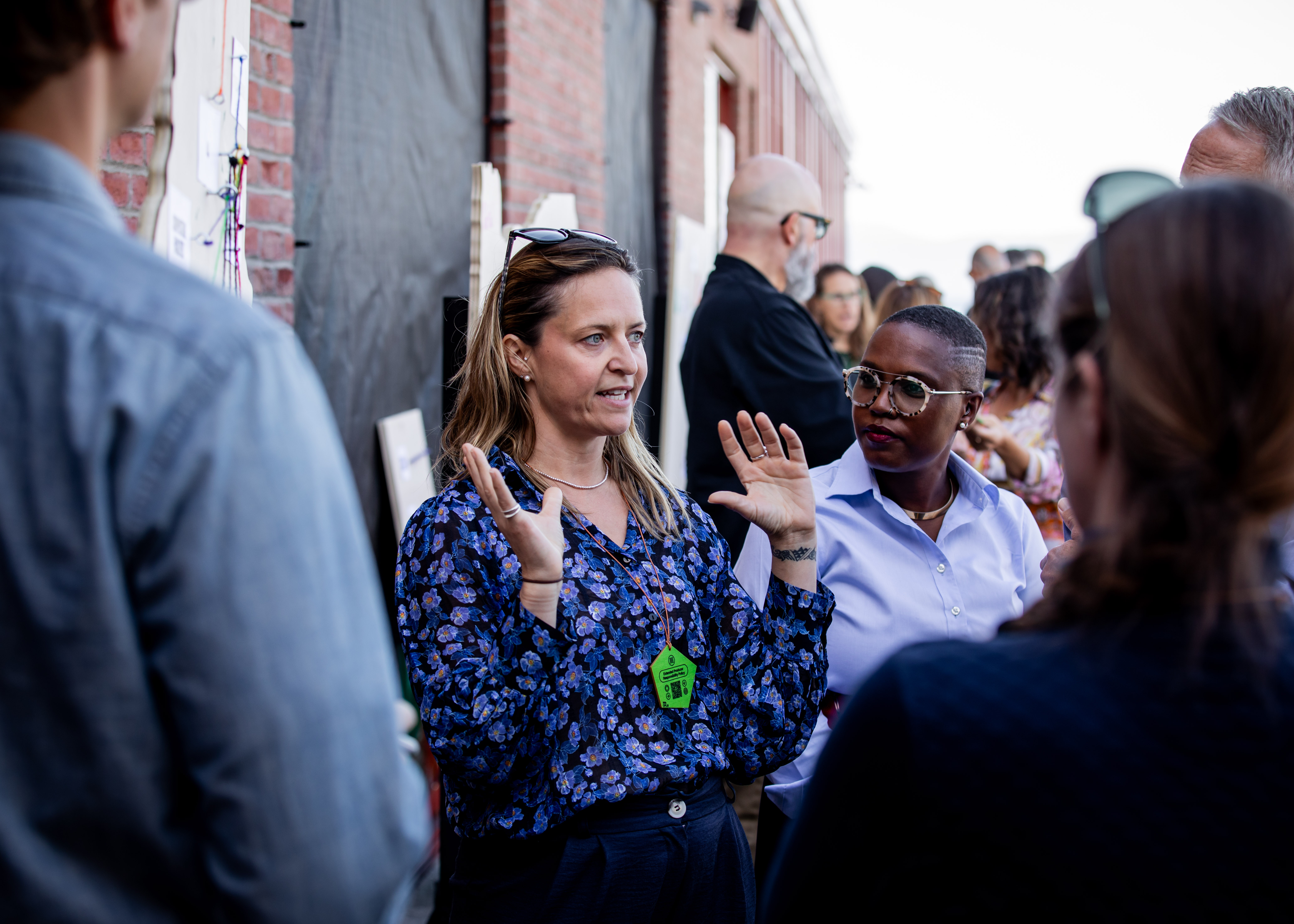
The EPR Learning Exchange is a two-day working session where legislators, implementers, and the full packaging value chain tackle the practical questions raised by new packaging EPR laws and potential new deposit return system (“DRS”) laws and modernization efforts.
It's a neutral, cross-value-chain forum held within the annual See Change conference — built around facilitated dialogue rather than panels, and shaped by the top questions policymakers submit ahead of time.
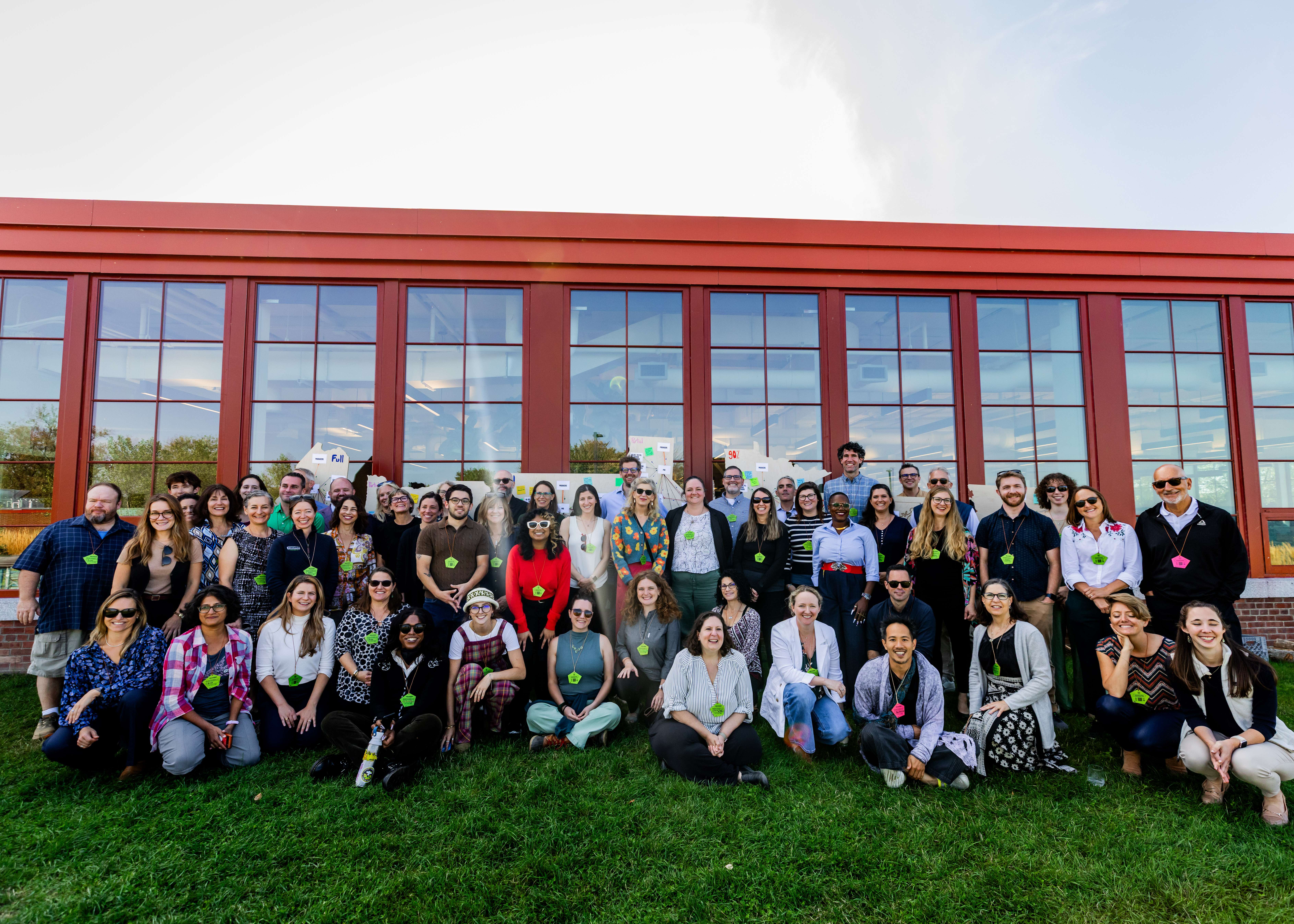
In 2025, the inaugural Exchange brought elected officials from across the country together with producers, recyclers, NGOs, brands, and regulators for two days of candid dialogue on early EPR implementation — the kind of unlikely, in-the-room conversations that rarely happen anywhere else.
Where things stand
25
elected officials convened in 2025
16
states represented in the room
7
U.S. states with packaging EPR laws
40
responses to the Legislator Guide
What makes this track different
Ahead of the event, policymakers submit their top questions about EPR, DRS, and circular policy — and those questions become the agenda. Instead of prepared speeches, the two days run on facilitated, cross-stakeholder dialogue with the people implementing these systems today.
The agenda
Burlington ·
Circle synthesizes the submitted questions into thematic Discussion Forums under four themes that follow the lifecycle of EPR — from policy development through implementation and what comes next. Each Lab opens with a brief framing conversation, then participants rotate between forums, engaging directly with producers, PROs, recyclers, local governments, NGOs, and technical experts.
LAB 01
Setting the Scene
Framing, a candid policymaker × value-chain superpanel, and learning goals.
LAB 02
Considering & Building a Bill
How the policies relate, who belongs at the table, and adapting to state context.
LAB 03
Systems in Motion
Stakeholders and interests — and how states define recycling.
LAB 04
Ideation Hour
Statute versus rulemaking, plus cross-border and sub-state ideas.
Open Reception for All ParticipantsAmerican Flatbread & Mothership Brewery · 115 St Paul St
WednesdaySeptember 16
Welcome breakfasts & registrationBurlington Surf Club
Introductions & WTF sessionsReef, inside Hula
LAB 01
Setting the SceneFraming, superpanel, and participant introductions. No Discussion Forums.Reef, inside Hula
10:45–11:00 AM · 15 min
Framing the Moment: Circle × Atlantic Packaging
Opening framing of the two days and the room itself: a rare, neutral space where the people writing circular policy and the people putting it into practice sit together.
11:00 AM–12:00 PM · 60 min
What We Wish You Knew: A Candid Exchange
A moderated superpanel bringing three policymakers into dialogue with three leaders from across the packaging value chain — past talking points, into the lived experience behind circular policy.
From the States: the real story behind the policy, the pressures that drove it, the complexities unique to their state, and the questions they’re still working to answer.
From the Value Chain: what implementation actually looks and feels like on the ground — the day-to-day realities, the friction, and what brands are learning in real time.
12:00–12:30 PM · 30 min
Introductions & Learning Goals
Participants introduce themselves and where their state stands; Circle explains how the Discussion Forum rotations work.
Lunch (& brain) breakBack Lot, behind Hula
LAB 02
Considering & Building a BillThree Discussion Forums, three rotations — every participant attends all three.Miller Center, 175 Lakeside
Discussion Forums
#
Focus
A
Understanding the PoliciesHow packaging EPR, deposit return, and recycled content requirements relate to one another.
What’s the relationship between packaging EPR, deposit return, and recycled content requirements?
B
Data & OutcomesWhat the numbers show, and what the public will bear.
Beyond environmental impacts, what matters to stakeholders weighing circular policy: domestic recycling markets and material reliance as a national security concern, jobs, litter and tourism, municipal costs?
What is the impact of these policies to consumer affordability?
What is the public willing to accept?
C
Adapting Policy to State ContextBorrowing structure from other states; consistency vs. local specificity.
How do states determine which existing EPR model is the best fit for their own context?
How should legislation balance statewide consistency with state-specific priorities?
How do you get EPR legislation to complement deposit return / recycling refund bills if not passed together?
2:00–2:05 PM
Welcome to the Miller Center
2:05–2:10 PM
Set the Stage
Frame the theme and introduce the three forums.
2:10–2:45 PM · 35 min
Discussion Forum Rotation 1
2:45–3:20 PM · 35 min
Discussion Forum Rotation 2
3:20–3:55 PM · 35 min
Discussion Forum Rotation 3
3:55–4:10 PM · 15 min
Group Debrief
Connect insights across stakeholder groups.
4:10–4:20 PM
Experience Preview
EXP
The Learning Exchange ExperienceA timeline immersion that puts participants inside the clocks governing circular policy: how long policy development actually takes, how long implementation takes, and what happens when those timelines don’t line up.Miller Center, 175 Lakeside
Storytelling sessionReef, inside Hula
South End Block PartySEABA · 400 Pine St
ThursdaySeptember 17
Drop-in experiencesOptional
LAB 03
Systems in MotionThe questions coming from implementation. Two Discussion Forums, two rotations.Miller Center, 175 Lakeside
Discussion Forums
#
Focus
A
Stakeholders & InterestsWho needs to be at the table, and the interests in play.
With so many stakeholders in play, how do I identify which state and national value-chain voices need to be brought to the table?
B
What Is Recycling?How states define responsible end markets today, and what that means for future rules.
How are states defining responsible end markets today? What should future legislation and rulemaking require?
9:15–9:20 AM
Set the Stage
Frame the theme and introduce the two forums.
9:20–10:00 AM · 40 min
Discussion Forum Rotation 1
10:00–10:40 AM · 40 min
Discussion Forum Rotation 2
10:40–11:00 AM · 20 min
Group Debrief
Facilitators share key insights and emerging themes.
EXP
Experience: Building BridgesA hands-on materials session: how packaging actually performs, what its end-of-life looks like, and how eco-modulation shapes producer choices.Miller Center, 175 Lakeside
Lunch (& brain) breakMain See Change venue
LAB 04
Ideation HourWhat belongs in statute versus rulemaking, plus cross-border and sub-state ideas. Two Discussion Forums, two rotations.Miller Center, 175 Lakeside
Discussion Forums
#
Focus
A
What Goes in Legislation Versus Rulemaking?Where the line sits, and what it costs to get it wrong.
What belongs in statute, and what decisions are best left to rulemaking and implementation?
How do we write legislation that facilitates system management, oversight and implementation to achieve desired policy objectives without over-complicating the bill?
Legislators hand rulemaking to the regulator and advisory board, but are brought in to help stakeholders understand the intent of the legislation. What challenges are stakeholders now facing in rulemaking?
How can state government best support and set up municipalities to implement EPR policies?
B
Cross-Border & Sub-State IdeationCoordination across state lines, and pilots below the state level.
Is there opportunity for coordination in circular policy across geographic corridors?
Could existing platforms be used for cross-state coordination, like compacts?
Is there a role for sub-state circular policy pilots? Can they scale — county by county, or municipality by municipality on an opt-in basis — into a statewide approach?
1:45–1:50 PM
Set the Stage
Frame the session and introduce the legislator ideas.
1:50–2:35 PM · 45 min
Discussion Forum Rotation 1
2:35–3:20 PM · 45 min
Discussion Forum Rotation 2
3:20–3:45 PM · 25 min
Group Debrief
Closing thoughts and Q&A.
Closing sessionBurlington Surf Club
Golden happy hour & snacksBurlington Surf Club
Select any Lab for its Discussion Forums and full run of show.
Why this matters
In 2026, packaging EPR moved into active implementation in Oregon and Colorado, while California, Minnesota, Maryland, Maine, and Washington continued building out their systems. At the same time, deposit return systems that have operated in roughly ten states for decades are being modernized, and new programs are under consideration elsewhere — leaving policymakers across the country weighing what circular policy should look like in their own states.
Decision-makers need a neutral place to hear directly from the people implementing policy today — and to weigh the tradeoffs shaping the next generation of circular policy.
Who should attend
A diverse working group of participants involved in shaping, implementing, or responding to circular policy:
Waste & recycling service providersMechanical & advanced recyclersConsumer brands & retailersQuick-service restaurantsTrade organizationsU.S., Canadian & European PROsDeposit-return system operatorsWaste & recycling service providersMechanical & advanced recyclersConsumer brands & retailersQuick-service restaurantsTrade organizationsU.S., Canadian & European PROsDeposit-return system operators
Circle convenings focus on public-policy understanding, systems design, and implementation case studies. They are not a forum for coordinating commercial strategy or competitively sensitive information.
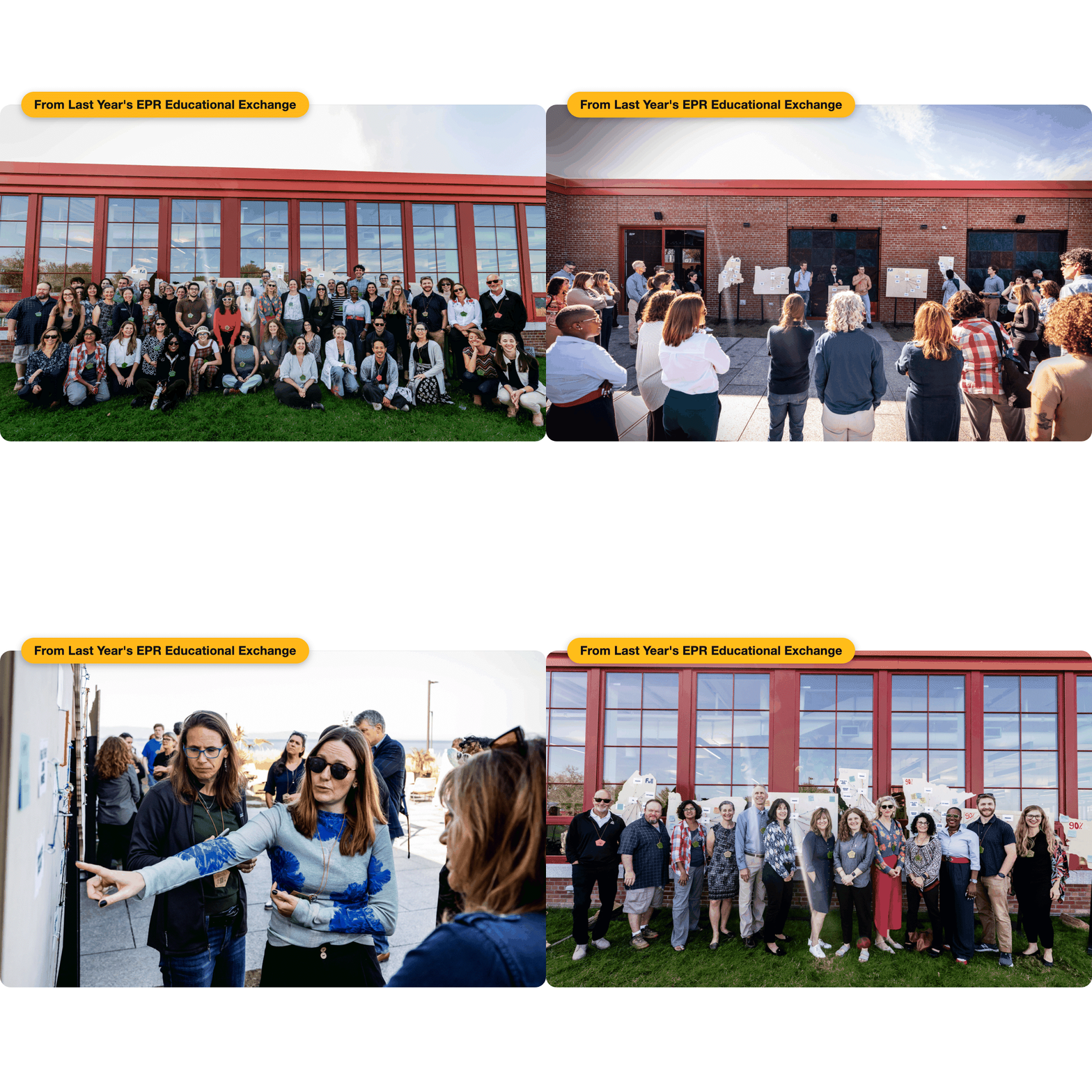
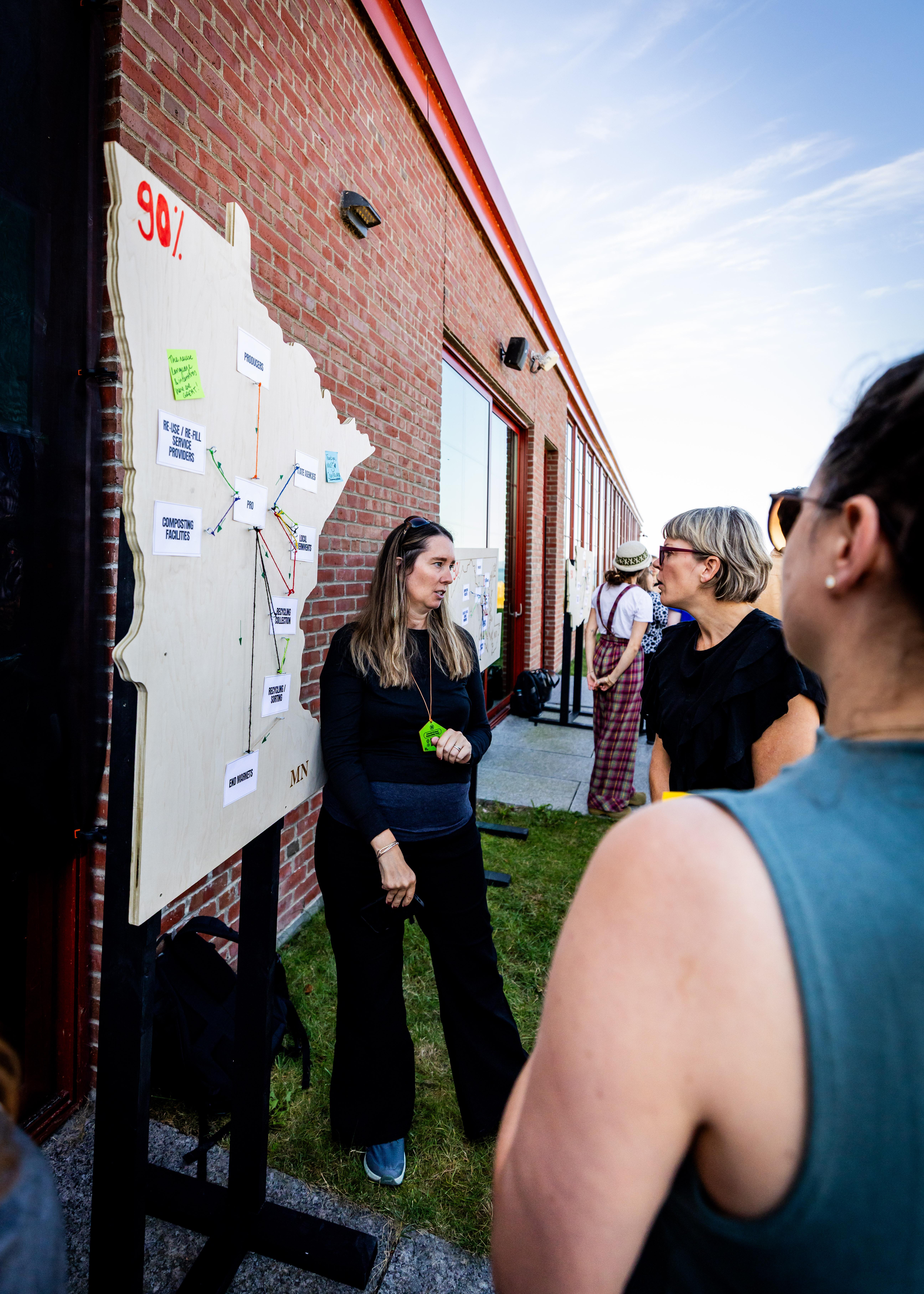
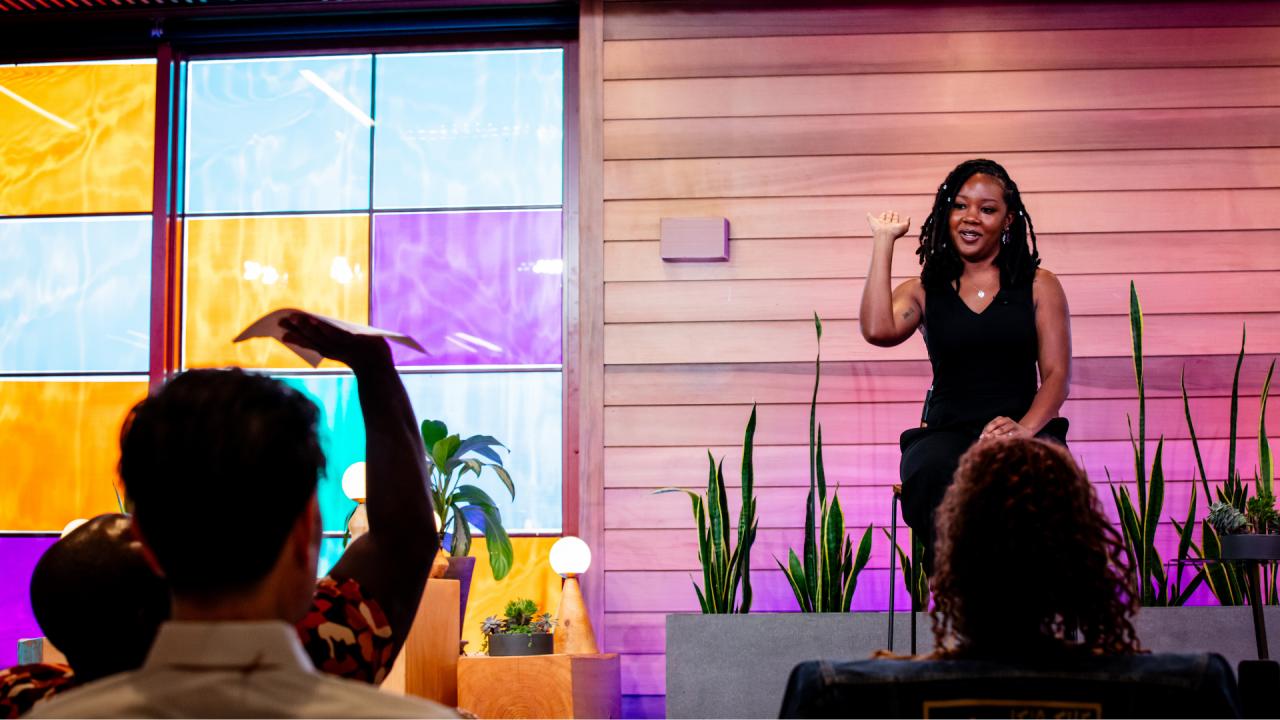
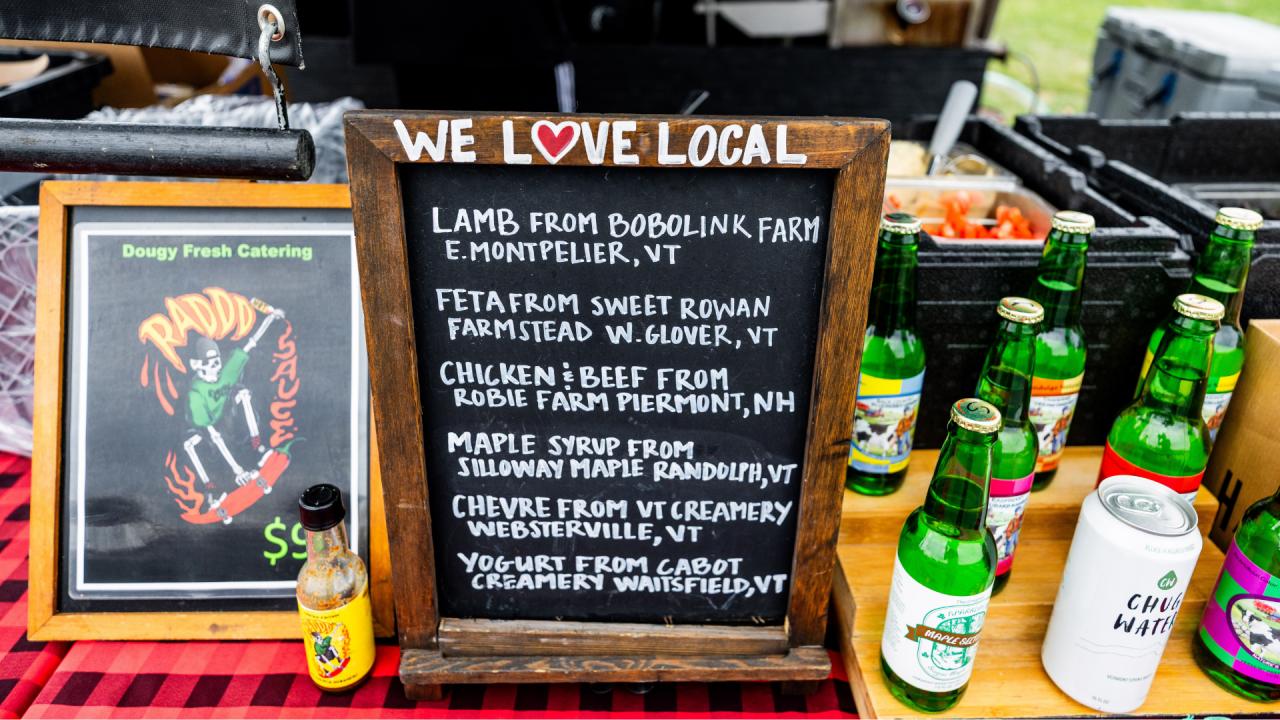
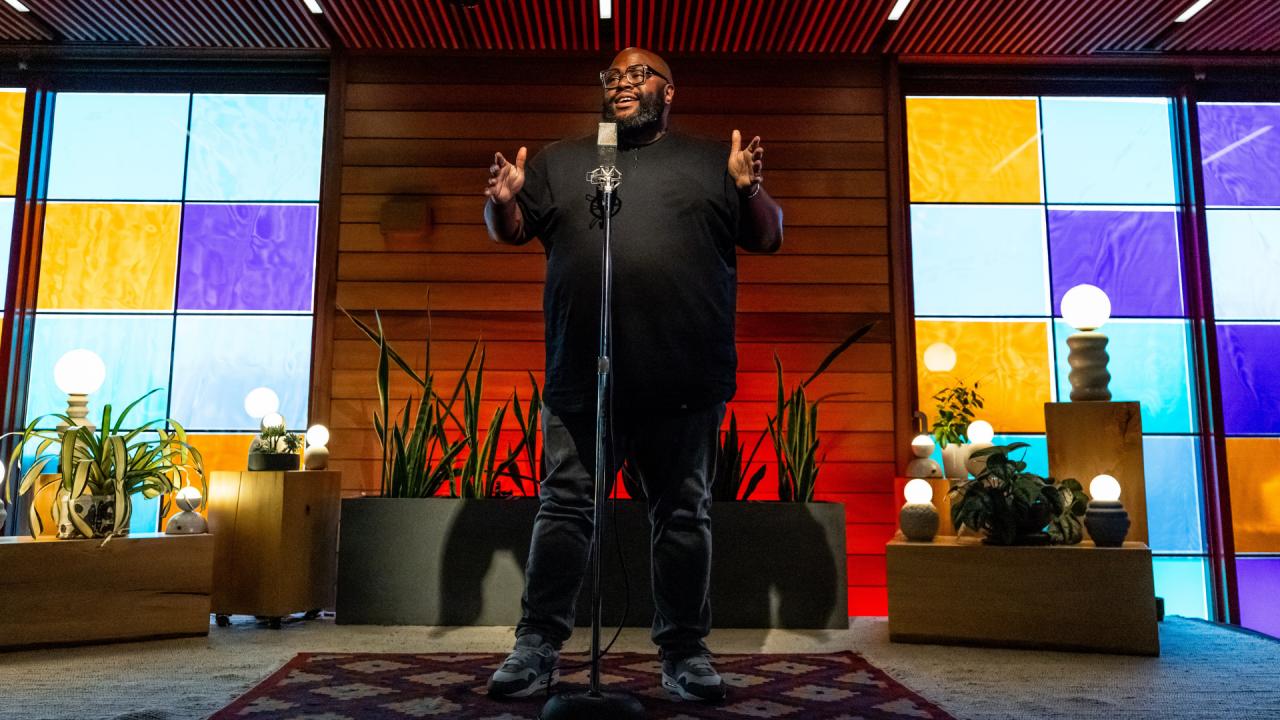
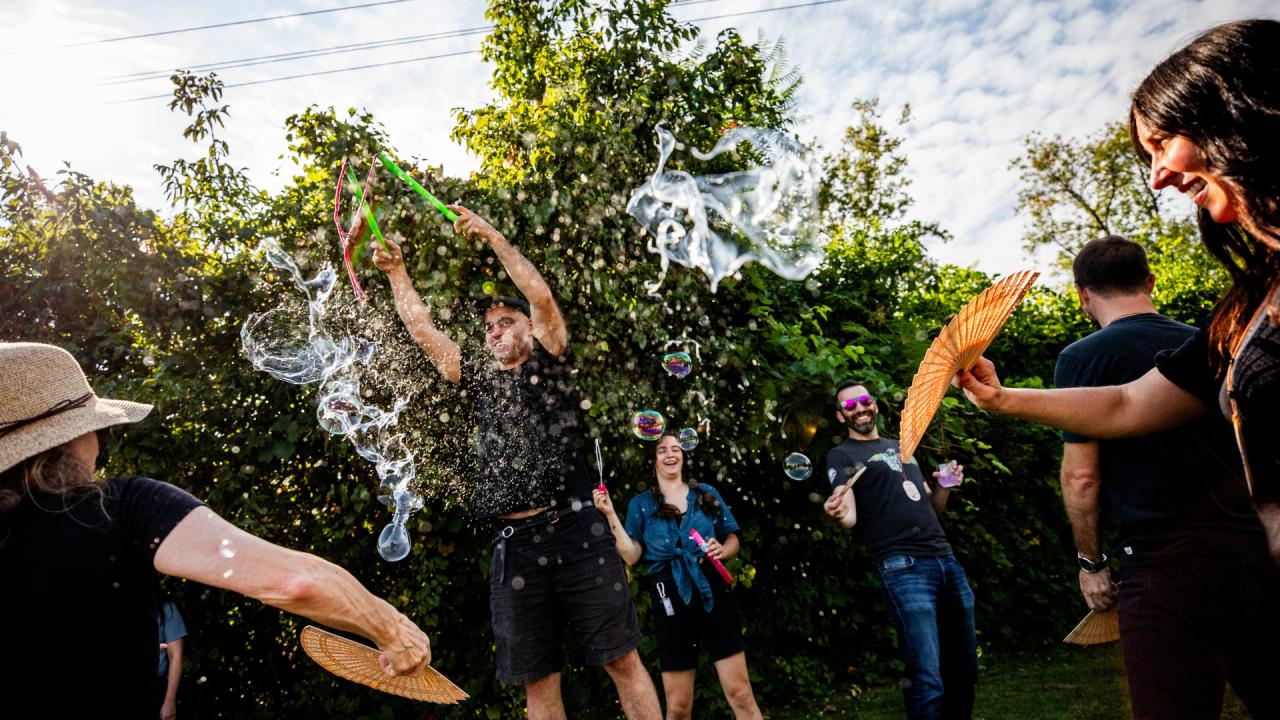
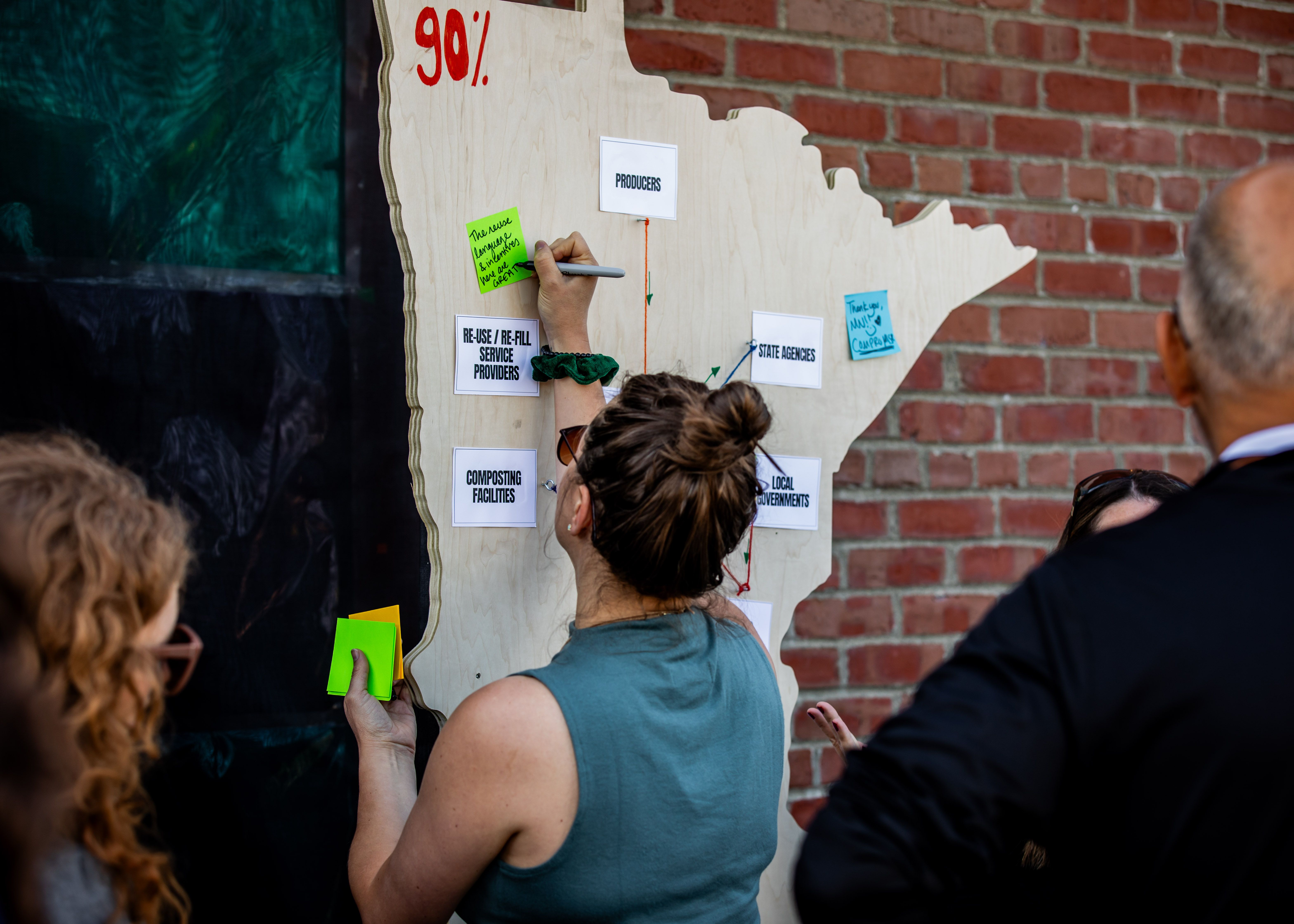
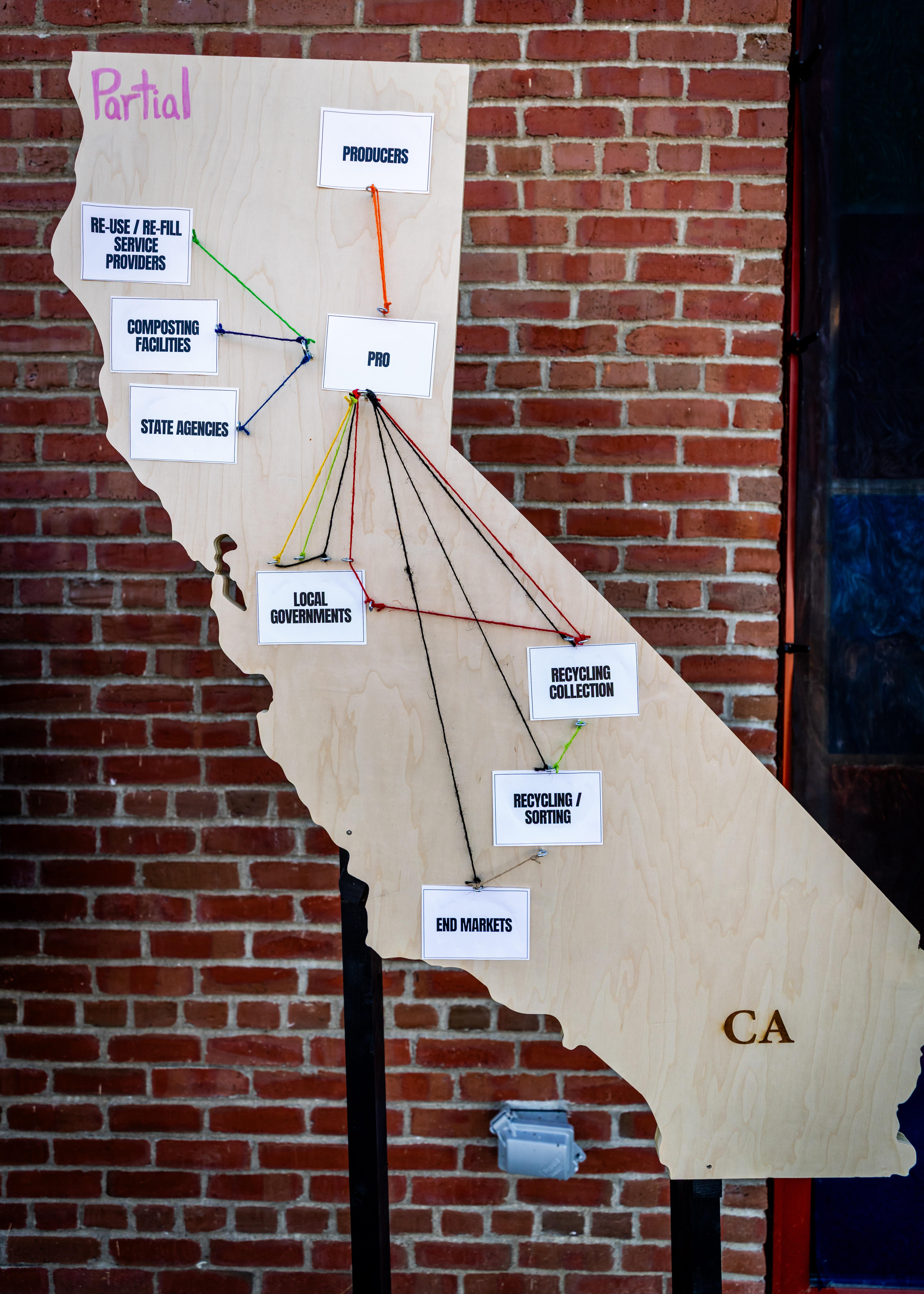
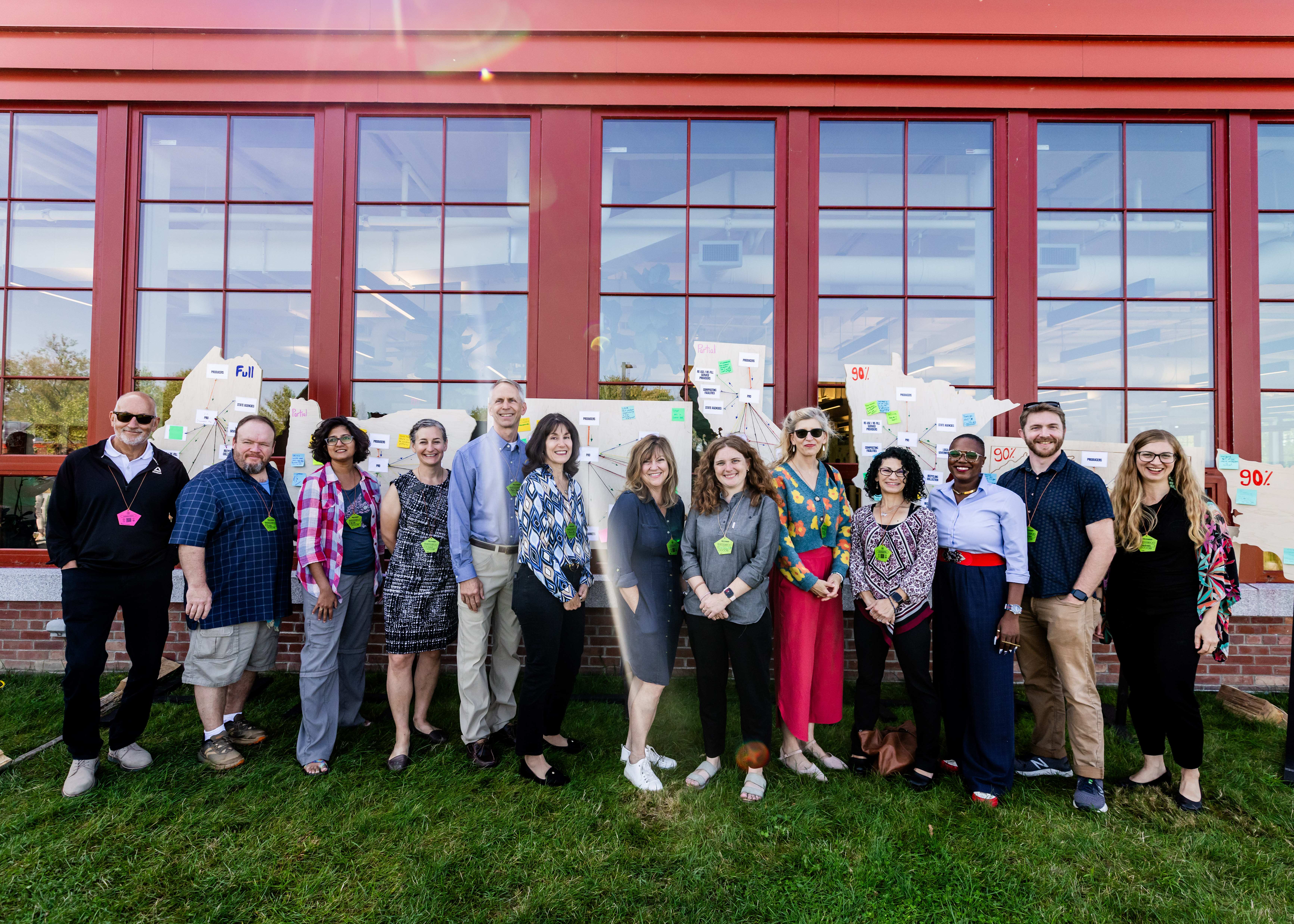
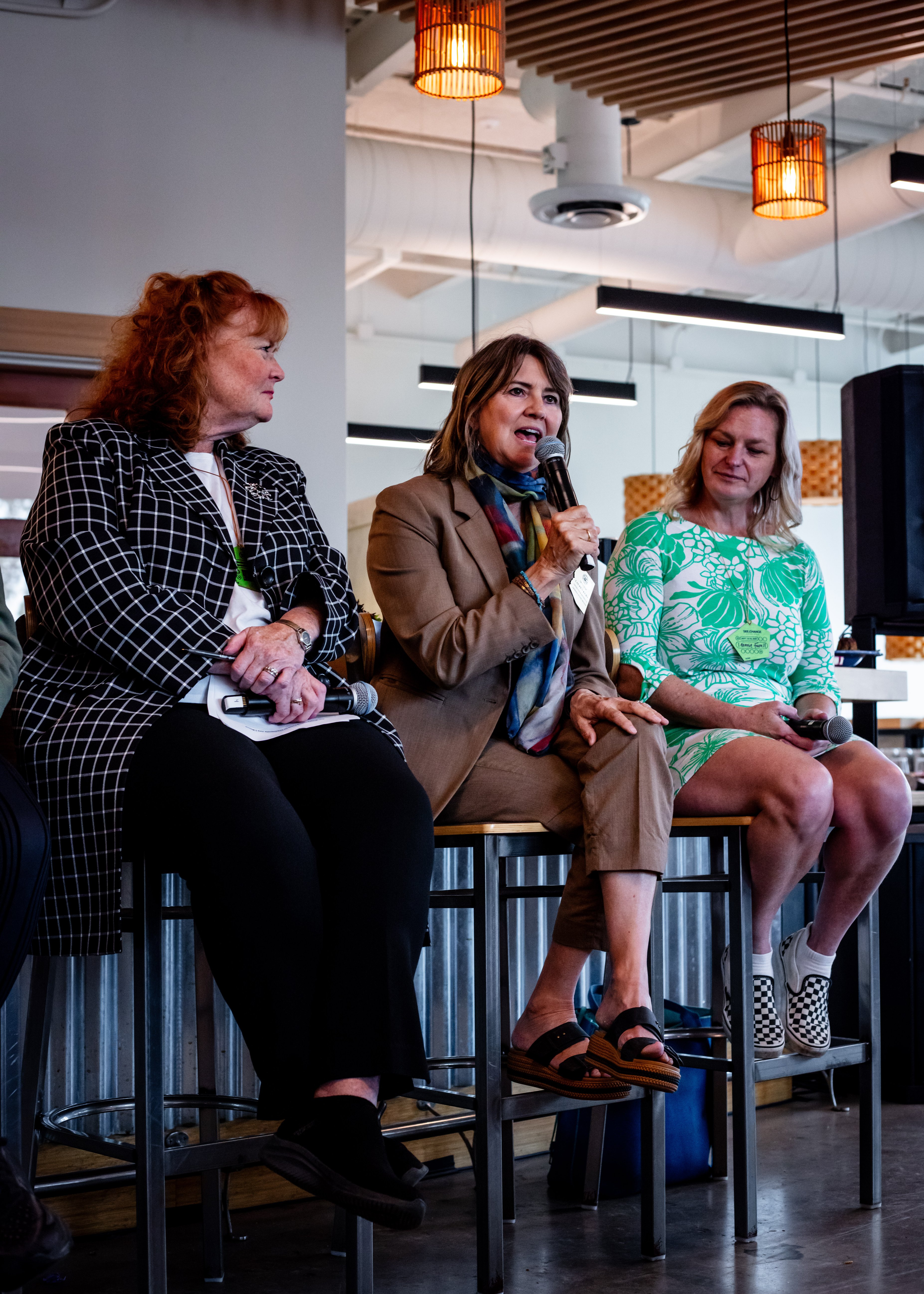
Last year in pictures
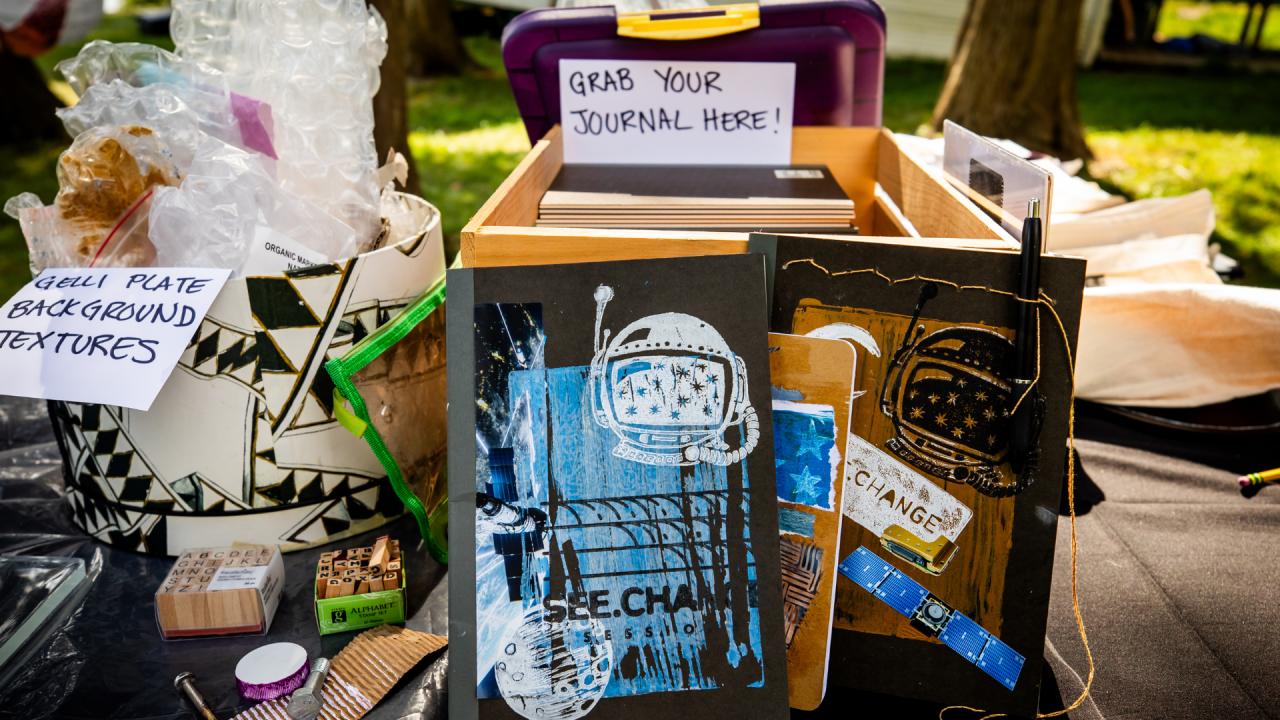
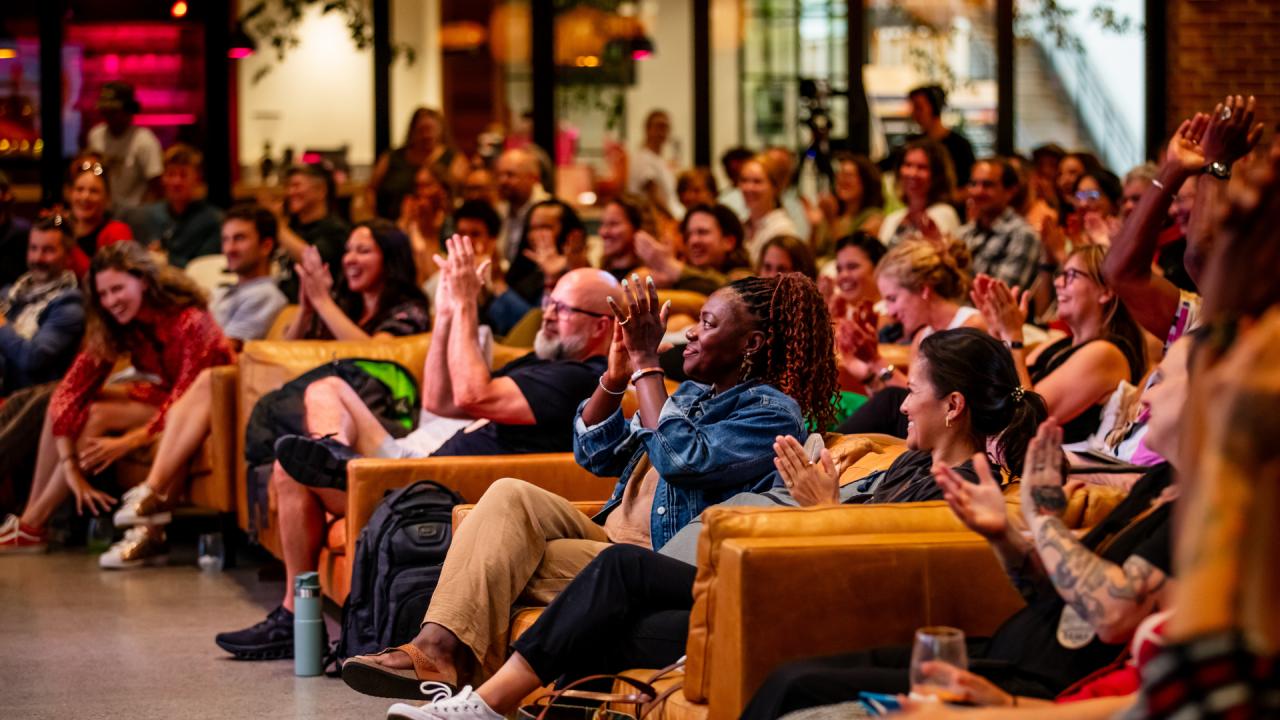
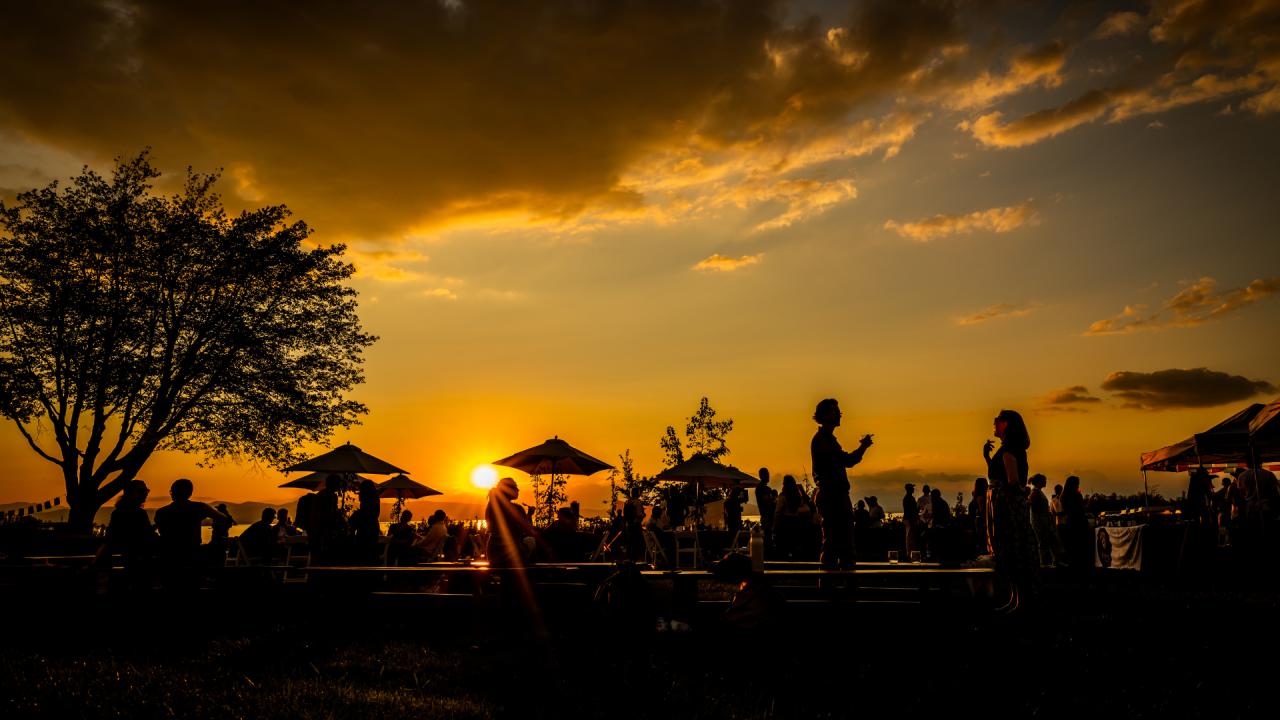
The 2025 EPR Learning Exchange · See Change Sessions, Burlington, VT
What came out of last year
The 2025 Exchange did more than spark conversation — it produced something lasting, built directly from what was said in the room.
Direct from the 2025 Exchange
The Legislator Guide for Circular Policy
At the 2025 event, legislators kept asking for the same thing: a single, non-partisan place to understand how packaging EPR actually works — and how every stakeholder sees it. That feedback, gathered directly from the legislators in the room, became a deliverable.
Circle built a non-partisan, living repository giving policymakers 101-level context, clear stakeholder perspectives across the value chain, and firsthand reflections from the legislators behind all seven U.S. EPR-for-packaging laws.
responses from legislators and organizations across the full packaging value chain
Express interest
Share your interest below. Once you’ve expressed interest, Circle will follow up with a short form to confirm your attendance.
FAQ
What is the EPR Learning Exchange?
It's an immersive learning track within the annual See Change conference, focused on the practical questions raised by new packaging EPR laws and the potential new and modernizing deposit return systems (DRS) taking shape across the country. Rather than presentation-heavy panels, it's built around facilitated, cross-stakeholder dialogue that responds directly to the questions legislators, regulators, and advisory members are asking right now.
How are See Change and the EPR Learning Exchange related?
The Learning Exchange is Circle's programming hosted inside the larger See Change conference. Your place in the Learning Exchange covers Circle's two days of programming.
When and where is it?
Programming runs two full days — Wednesday, September 16 and Thursday, September 17, 2026 — at Hula Lakeside (50 Lakeside Ave, Burlington, Vermont), held within the See Change conference. Plan to arrive Tuesday, September 15; there's a small, informal gathering for attendees that evening.
How is this different from a typical conference?
Ahead of the event, policymakers are invited to submit their top questions about EPR, DRS, and circular policy — and those questions shape the agenda. Instead of prepared speeches, you'll move through guided exchange sessions, Q&A with policymakers, and collaborative stakeholder mapping, rotating through value-chain perspectives.
What will I leave with?
A clearer view of how packaging EPR works in practice across states; an "ecosystem map" of U.S. EPR and circular-policy stakeholders, their pain points, and what's working; deeper ties with legislators, brand leaders, NGOs, regulators, and recyclers; and a stronger foundation for future Circle expeditions and case studies.
How do I take part? Is it open?
Use the express-interest form on this page. Once you've expressed interest, Circle will follow up with a short form to confirm your attendance.
Are scholarships available?
Scholarships are offered to select state legislators and key staff. If you may qualify, reach out via the express-interest form to be considered.
How do travel and hotels work?
Participants are responsible for booking their own travel and hotels in the Burlington area. Options nearby include Hotel Vermont, the Hilton Garden Inn Burlington Downtown, and the Harborvale Hotel. The nearest airport is Burlington International (BTV).
Are sessions confidential?
Sessions are convened under the Chatham House Rule: participants may use what they hear, but not attribute comments to individuals or organizations outside the room. Circle convenings focus on public-policy understanding, systems design, and implementation case studies — not commercial strategy or competitively sensitive information.