
EPR Policy Circle
Experiential intelligence on U.S. circular policy — combining in-person expeditions to operational EPR and DRS systems with quarterly virtual plenaries tracking federal initiatives, state legislation, and on-the-ground implementation, without directing how policymakers should vote or advocating for specific outcomes.
Bridging circular policy and real-world implementation
The EPR Policy Circle is a neutral, cross-sector forum connecting legislators, regulators, brands, NGOs, and the full packaging value chain. Through structured dialogue and shared learning, participants bridge the gap between circular policy development and real-world implementation — ensuring bills are informed by operational insight before they are finalized.
Quarterly Virtual Plenaries
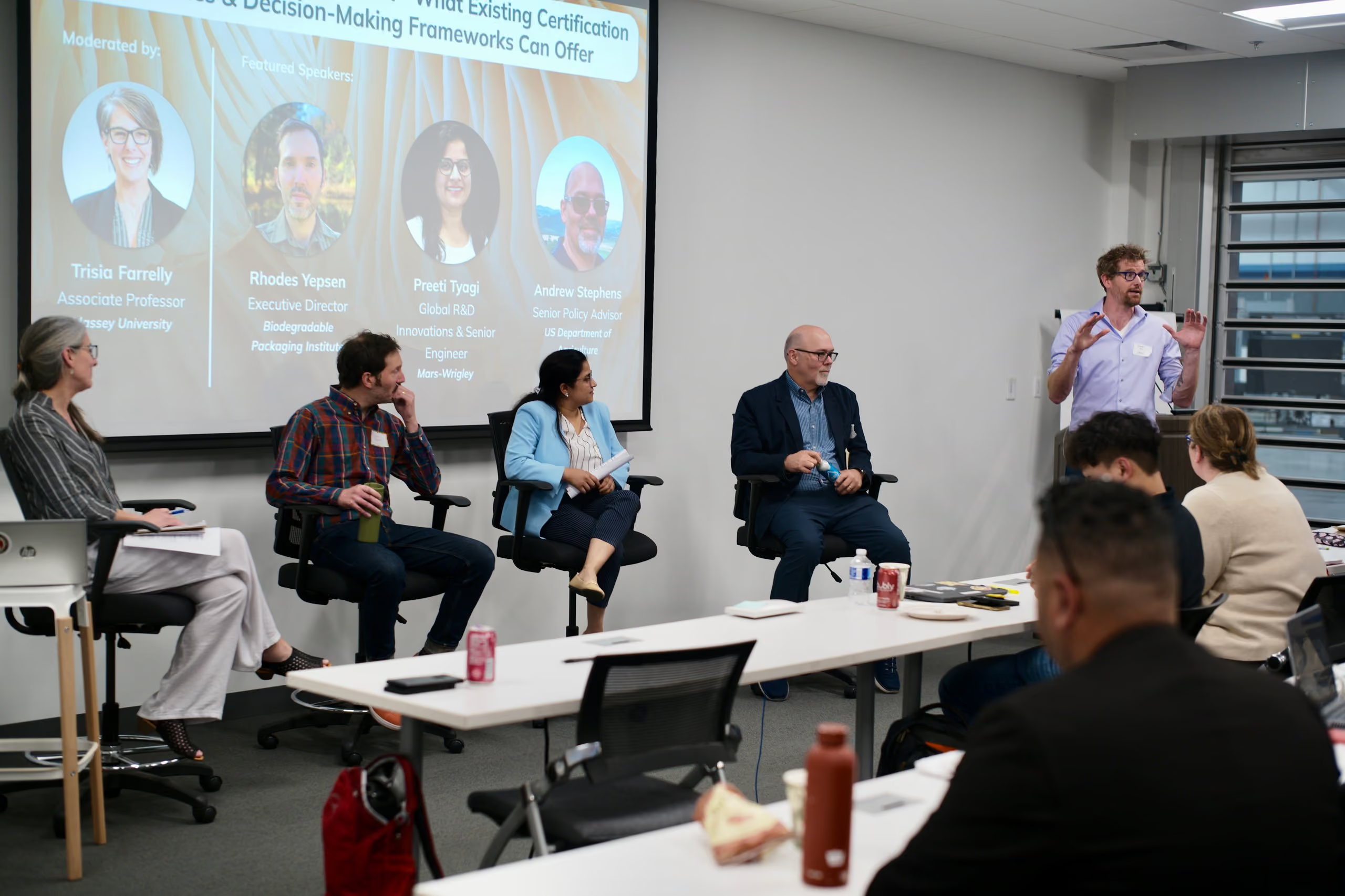
90-minute virtual convenings bringing together policymakers and stakeholders to examine emerging legislation, implementation lessons, and cross-state insights.
In-person Expeditions
A living, non-partisan repository capturing policy reflections, stakeholder perspectives, and implementation lessons from across the value chain.
Chatham House–style
Educational, Chatham House–style conversations designed to inform — not advocate. All sides at the table. No predetermined outcomes.
Upcoming events
Convening, expeditions, and discussions throughout the year.




The Legislator Guide for Circular Policy
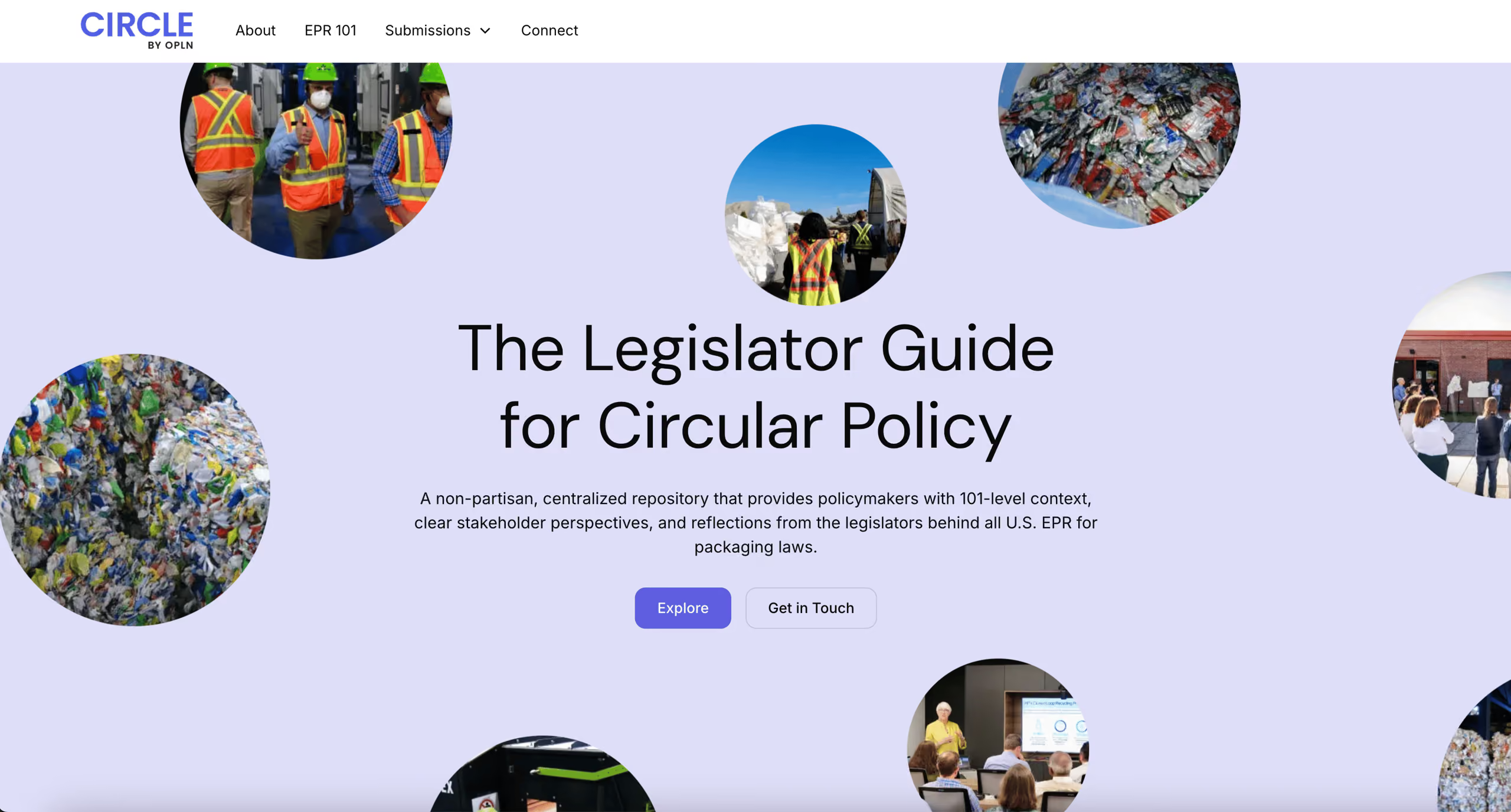
The Legislator Guide for Circular Policy is a centralized, non-partisan resource created in direct response to legislators’ call for clear, accessible visibility into stakeholder perspectives. Developed by Circle, the Guide brings together concise policy reflections, informational 101-level materials, and comparative insights from across the packaging value chain.
State Recommendations
Submissions from the first seven U.S. states with enacted EPR for packaging laws.
Industry & Sector-specific Submissions
One-page summaries with three key recommendations with accompanying links, reports, and statements
Policymaker Voices
EPR sponsors of first 7 states, and Legislator Guide Contributors

Maryland

Minnesota

Washington

Maine

Colorado

Oregon

California
FAQs
Questions about joining, participating, and getting value from the Policy Circle.
The Policy Circle is for legislators and staff, state agencies, brands and trade associations, NGOs, and packaging value chain stakeholders who want neutral, implementation-informed visibility into EPR and circular policy.
Plenaries are structured, educational sessions that surface what’s changing across states, what implementation is revealing, and where policy design choices create real-world tradeoffs. Expect short briefings, facilitated dialogue, and Q&A—without advocacy.
Policy Circle sessions are built for candid learning across perspectives, not one-way presentations. They prioritize implementation lessons, cross-state comparisons, and direct conversation between the people drafting, implementing, and responding to EPR policy.
Yes. Sessions follow a Chatham House–style approach so participants can speak candidly. We share learnings and themes, but do not attribute comments to individuals or organizations.
Topics include state EPR bill design and amendments, rulemaking and implementation updates, reporting and source-reduction requirements, definitions and scope (covered materials), PRO structure and governance, eco-modulation and fees, recycling market realities, and federal policy developments.
No. Circle is neutral and non-partisan. We convene stakeholders so policymakers can access balanced context, practical tradeoffs, and implementation insight—without predetermined conclusions.
The Legislator Guide for Circular Policy is Circle’s living, centralized repository of EPR 101 content, cross-state comparisons, stakeholder perspectives, and implementation lessons. Policy Circle programming keeps the Guide current with new insights as policies evolve.
Most participants join plenaries (and optional smaller working sessions, when relevant). If you share your role and jurisdiction, we’ll recommend the best way to engage and ensure you’re connected to the right discussions.
Get in touch
Still have questions? Let's talk.
Join Circle today
Get access to resources, peers, and guidance built for your EPR journey.