A Policy Circle expedition for U.S. policymakers and value-chain leaders. Québec runs packaging EPR and a modernized deposit return system over the same households. You spend the week watching both of them operate, and asking the people who run them how they got there.
4
days on the ground
3
site visits, from curbside to end markets
2
systems running over the same households
1
province where both run at once
Why Québec, why now
Seven U.S. states have passed packaging EPR laws. About ten run deposit return systems, most of them designed decades ago. States working on either one keep landing on the same questions: who funds collection, how material quality holds up, where recovered material goes, and what redemption costs to run.
Québec has worked through versions of those questions. It runs a producer-funded curbside stream alongside an expanded deposit return system, over the same households, and rebuilt both recently. In one week you can follow a container from the moment someone sets it down to the point it becomes feedstock, and ask the operators at each handoff what they would do differently.
The loop the week follows
Producers & packagingWhere the obligation starts and the fees are set.
Households & consumersOne household, two return routes running at the same time.
Curbside collection, Day 2The producer-funded blue bin stream.
Deposit return, Day 3Redemption, verification and consumer access.
Sortation & recovery, Days 2 & 3Where the quality of the material gets set.
Reprocessing & end markets, Days 2 & 4Plastics and glass back into manufacturing.
The week follows both return routes and the handoffs between them.
What makes an expedition different
About half the week runs on operating floors. The rest goes to working through what the group saw, in small sessions with the people who built and run the systems.
1
See it running
Operating sites mid-shift, at the scale they actually run.
2
Ask the operators
Time with the people who run each part of the system.
3
Follow one loop
Both return routes, in the order material moves through them.
4
Deep dives, not overviews
Two and a half hours on each system, hosted by the people who run it.
5
Chatham House Rule
Participants can use what they hear but not attribute it, so questions can be direct.
The week
Each full day pairs a deep dive with the system operator with time on site. Pick a day to see how it runs.
Site visitDeep dive with the system operatorSession, debrief & community
Arrive & convene
Participants land in Montréal. Nothing formal is scheduled, so a late flight costs you nothing.
Throughout the day
Arrivals
Arrivals & hotel check-in
The host hotel sits in central Montréal; details go to confirmed participants ahead of travel.
7:00 – 9:00 PM
Community
Welcome reception & introductions
Meet the group over light food and refreshments. A first chance to hear what everyone came to work out.
Setting the scene: packaging EPR, sortation and plastics
How U.S. and Québec packaging EPR are structured, then curbside sortation and where the plastics end up.
8:00 – 9:00 AM
Session
Breakfast & learning goals
Set the week's priorities and collect the questions people most want answered before the first site visit.
9:00 – 10:00 AM
Session
U.S. packaging EPR: who's who, and what to watch
Who the main stakeholders are, how programs are structured, and which questions keep coming up in states working on EPR. Open Q&A with experts and participants.
10:00 AM – 12:30 PM
Deep dive
Québec packaging EPR and the blue bin
Two and a half hours with the system operator on how the curbside “blue bin” system is designed, governed and paid for, with room to go well past the briefing. The block also covers plastics end markets: feedstock quality, contamination, and the economics that decide whether an end market exists.
12:30 – 1:45 PM
Community
Lunch
1:45 – 2:45 PM
Transit to the afternoon site
Private coach.
2:45 – 4:15 PM
Site visit
Curbside sortation & material recovery
Recovery, sortation and pre-processing of curbside recyclables, seen first-hand. Facility leadership on material quality, offtake, and where sortation sits inside the EPR system.
4:15 – 5:15 PM
Transit back to the hotel
6:30 – 8:30 PM
Community
Group dinner
Deposit return, end to end
U.S. context first, then the day runs at the operator's own site: how the system is governed, how containers are sorted, and what consumers meet at the return point.
8:00 – 9:00 AM
Session
Breakfast & day overview
9:00 – 10:00 AM
Session
U.S. deposit return: the open questions
What recycling refunds are, who the main stakeholders are, and the decision points that come up in every state: fraud prevention, retail redemption, redemption technology, unredeemed funds, and scrap sales. Open Q&A.
10:00 – 10:45 AM
Transit to the deposit-return operator
Private coach.
10:45 AM – 1:15 PM
Deep dive
Québec's modernized deposit-return system
Two and a half hours with the system operator on design and rollout: governance, consumer access, return logistics, and what changed when the system expanded. The block also covers specialised container sortation: how returned containers are counted, verified and prepared for onward recycling.
1:15 – 2:15 PM
Community
Lunch
2:15 – 3:45 PM
Site visit
Return & redemption sites
The return points consumers use, then the consolidation site behind them, where collection, verification and logistics get handled.
3:45 – 4:30 PM
Transit back to the hotel
6:30 – 8:30 PM
Community
Group dinner
Glass end markets, then synthesis
One last site to close out the value chain, then a working lunch. Programming ends mid-afternoon for onward travel.
8:00 – 9:00 AM
Community
Check-out, luggage storage & breakfast
Store bags with the hotel front desk, or bring them on the coach if you may leave straight after the closing session.
9:00 – 9:45 AM
Transit to the final site
9:45 – 11:15 AM
Site visit
Glass into manufacturing
A glass recycling and manufacturing operation, closing out the value chain: how recovered glass moves into end markets and back into production.
11:15 AM – 12:00 PM
Transit back to the hotel area
12:00 – 2:30 PM
Closing debrief
Closing debrief & lunch
What the week turned up, the questions still open, and how participants plan to use any of it at home. Programming ends mid-afternoon.
Circle is still confirming site hosts, speakers and venues, and will share them with registered participants before travel. Timings may shift.
Who should be in the room
The group stays small and mixed on purpose. A legislator working on a bill and the operator who would have to run it end up at the same conveyor on the same morning.
It is easier to weigh a design choice after watching it run.
What you'll leave with
The week is built so that what you see is usable when you get back, in a hearing, a rulemaking or a supplier conversation.
A working picture of how packaging EPR and deposit return interact when both run over the same households, including where they compete for the same material.
Design detail on the decisions that keep coming up in U.S. debates: funding mechanisms, consumer access standards, redemption technology, unredeemed funds and material quality.
A sense of what implementation cost in time and money, from the people who paid it, including what they would sequence differently.
What doesn't transfer: the parts of the Québec model that rest on its geography, governance or scale.
Working relationships with peers across states and across the value chain, and with the Canadian operators, built over four days.
A written report from Circle afterwards, covering what the group observed under Chatham House Rule, that you can share internally.
What an expedition looks like
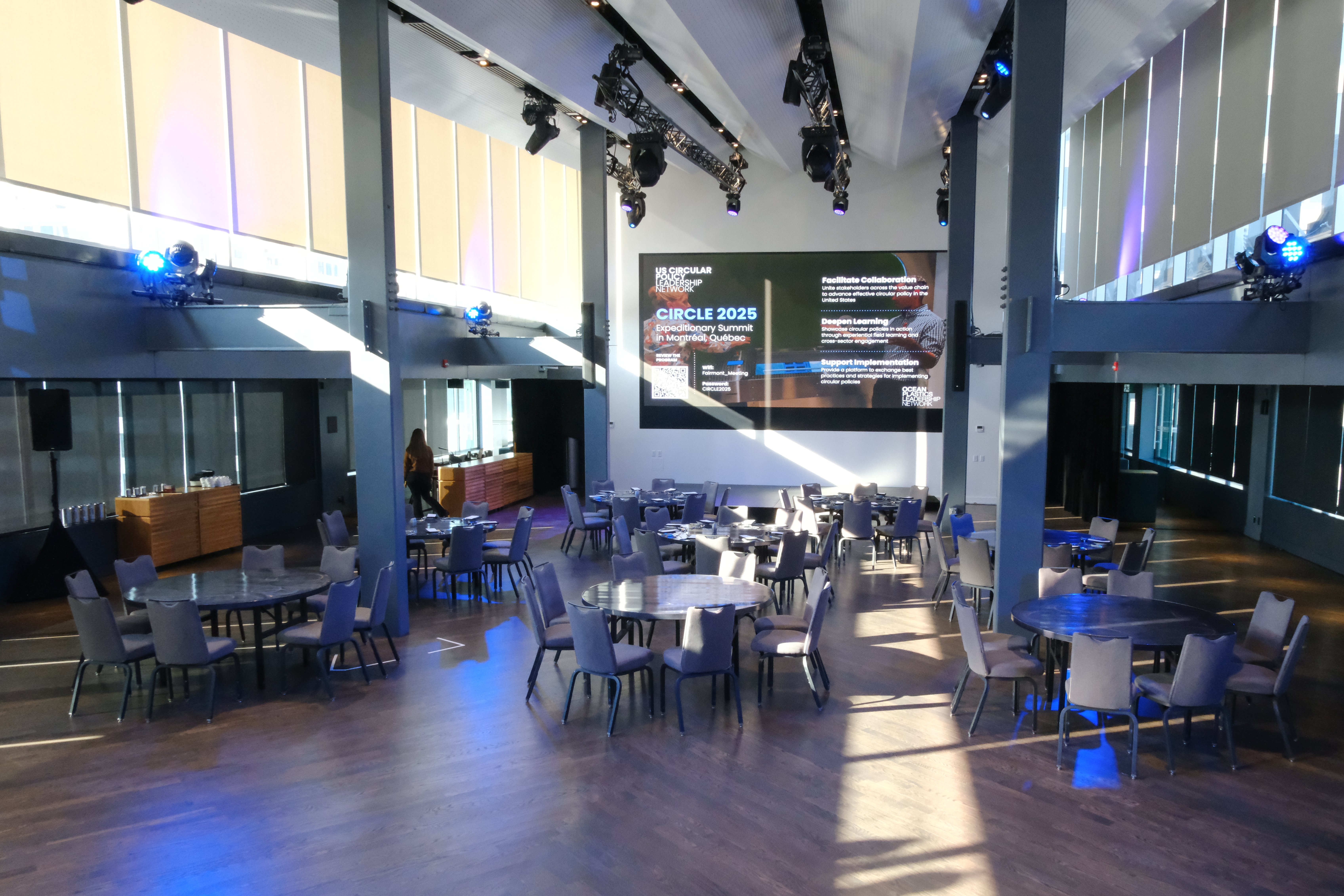
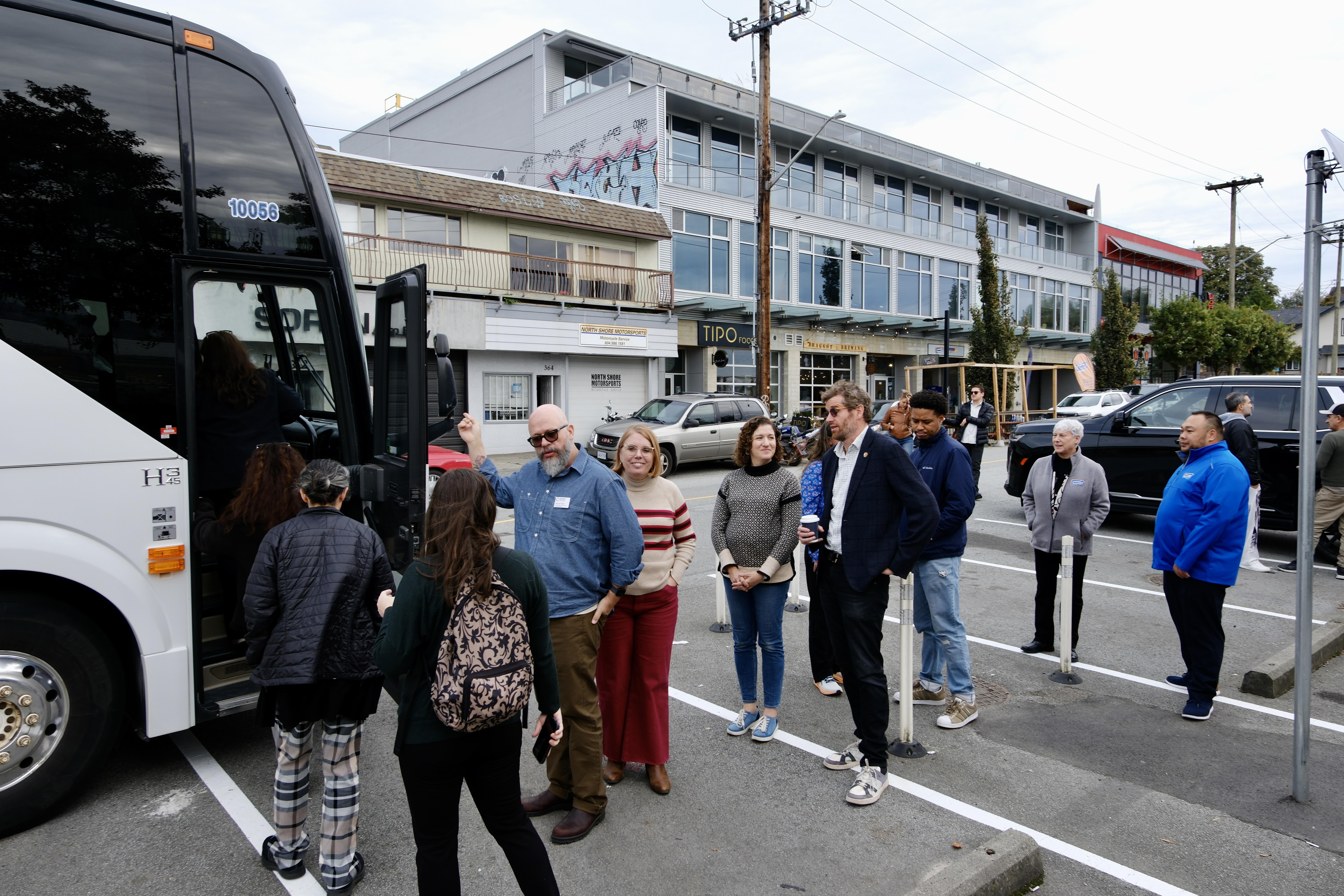
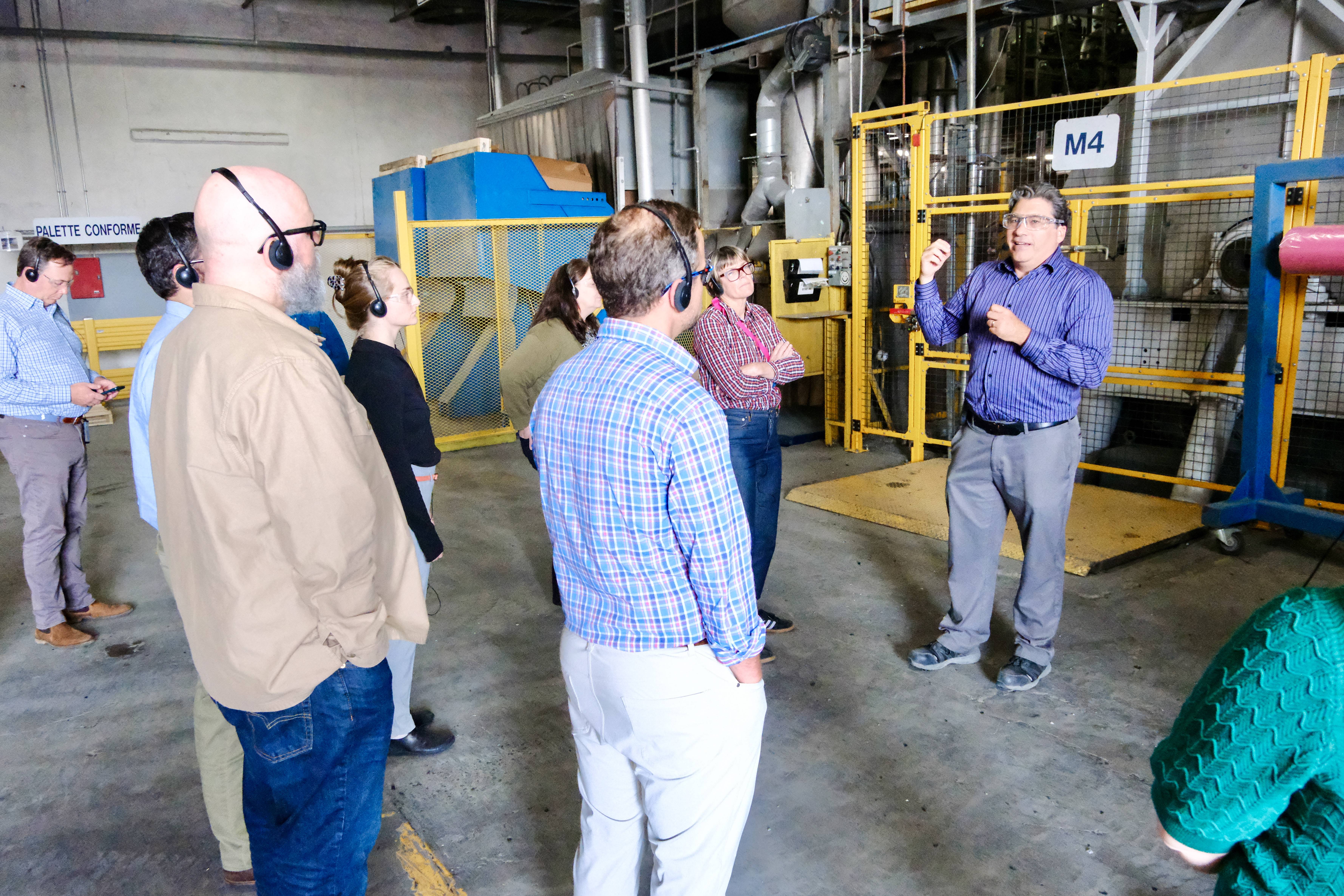
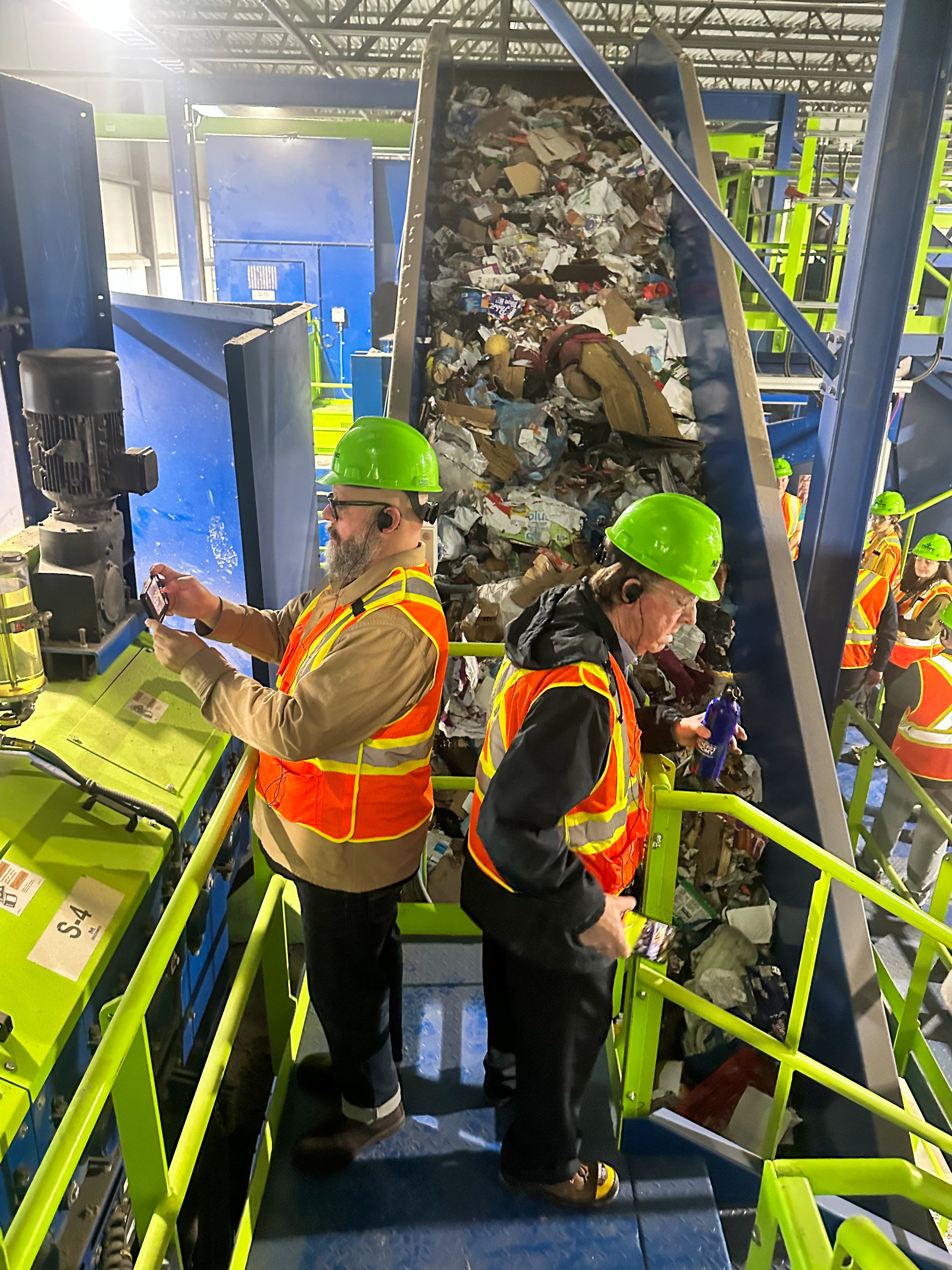
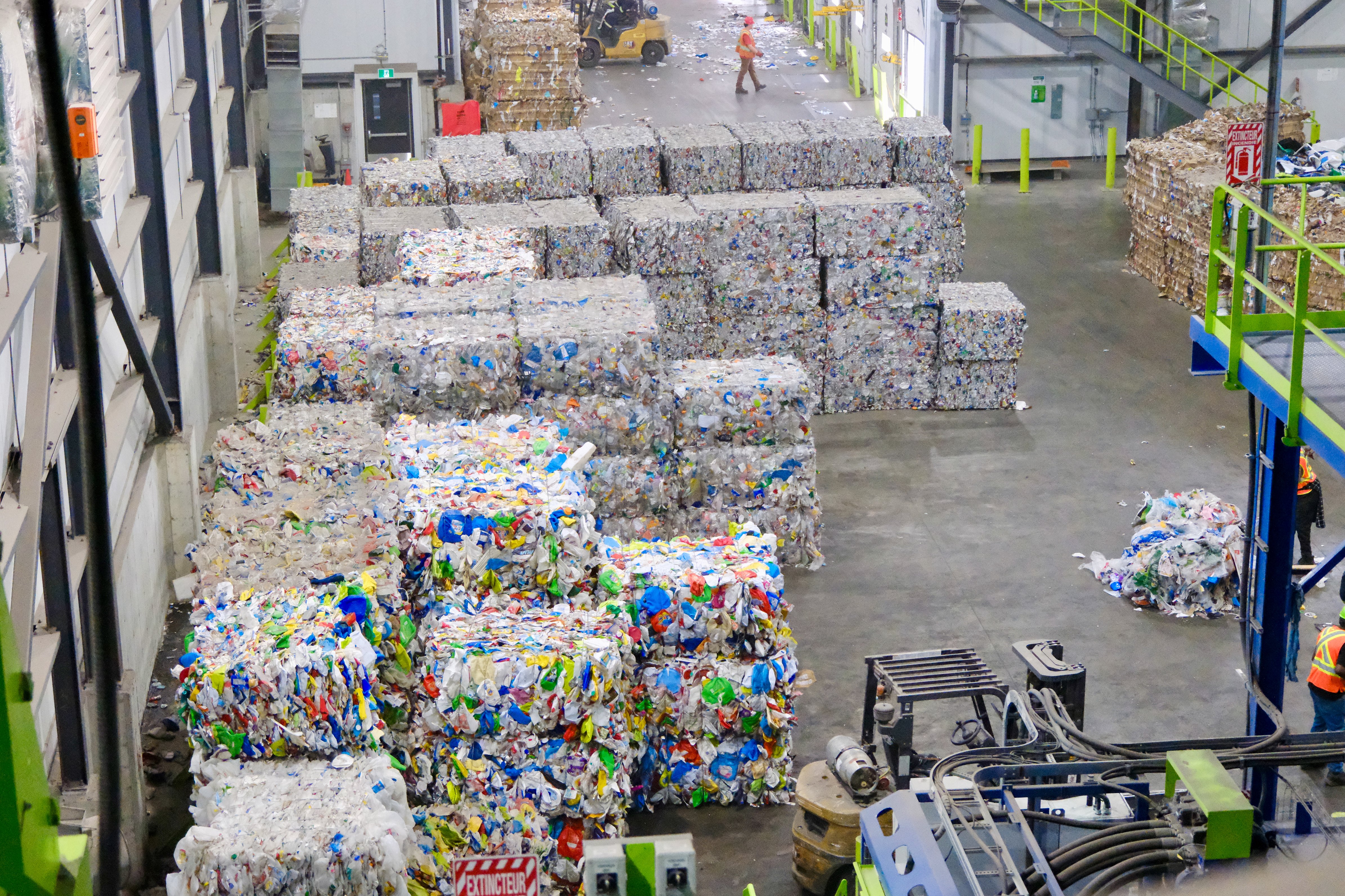
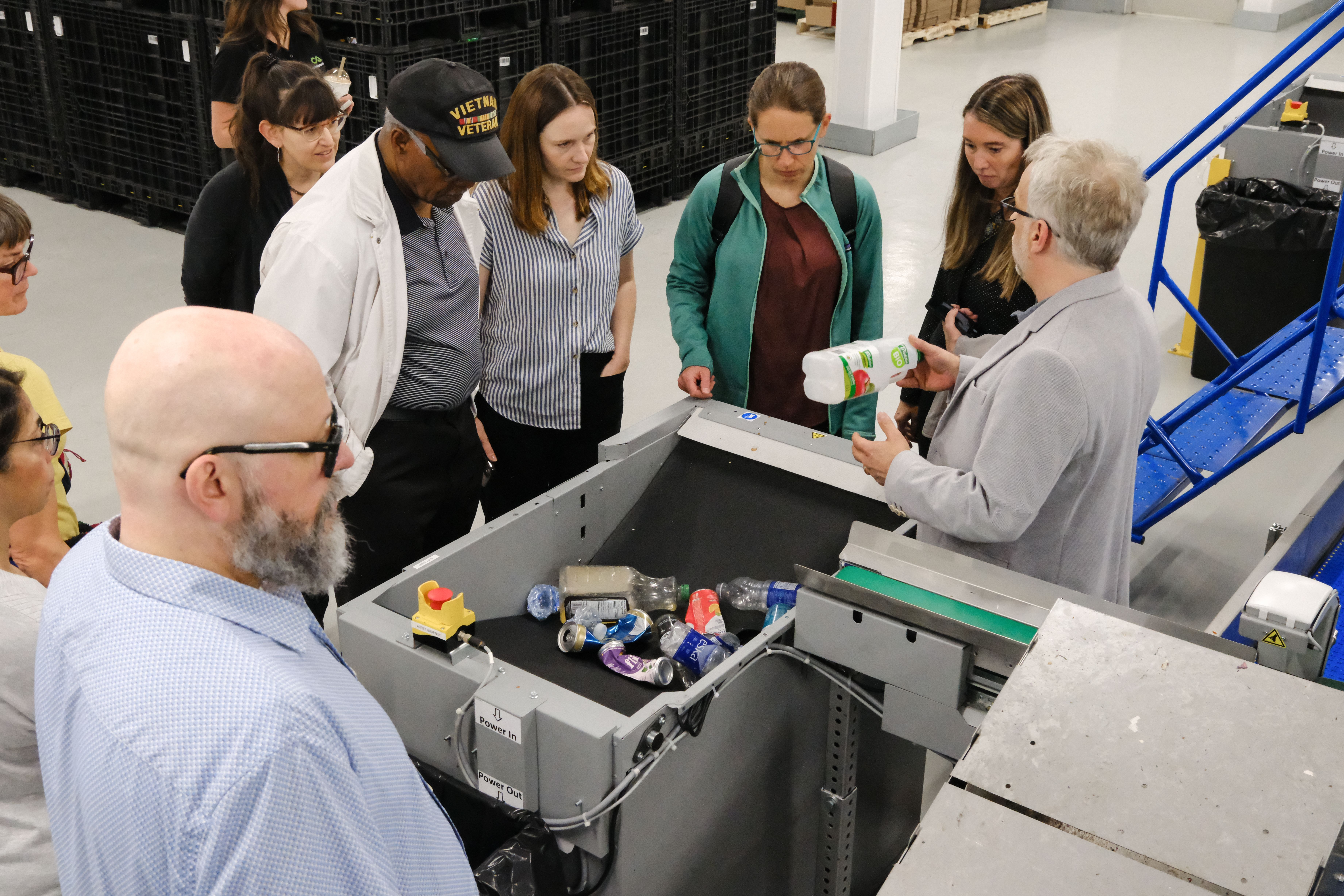
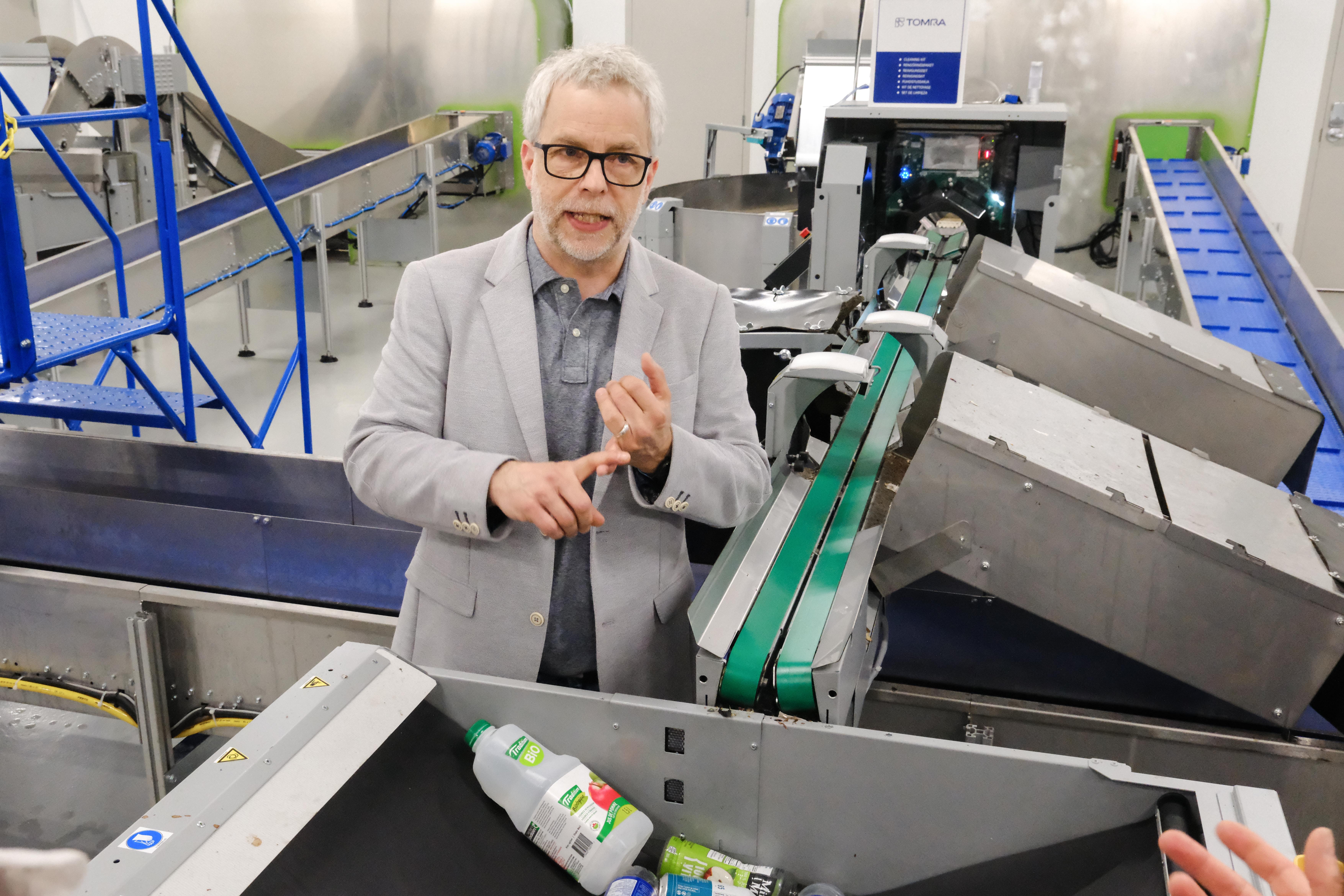
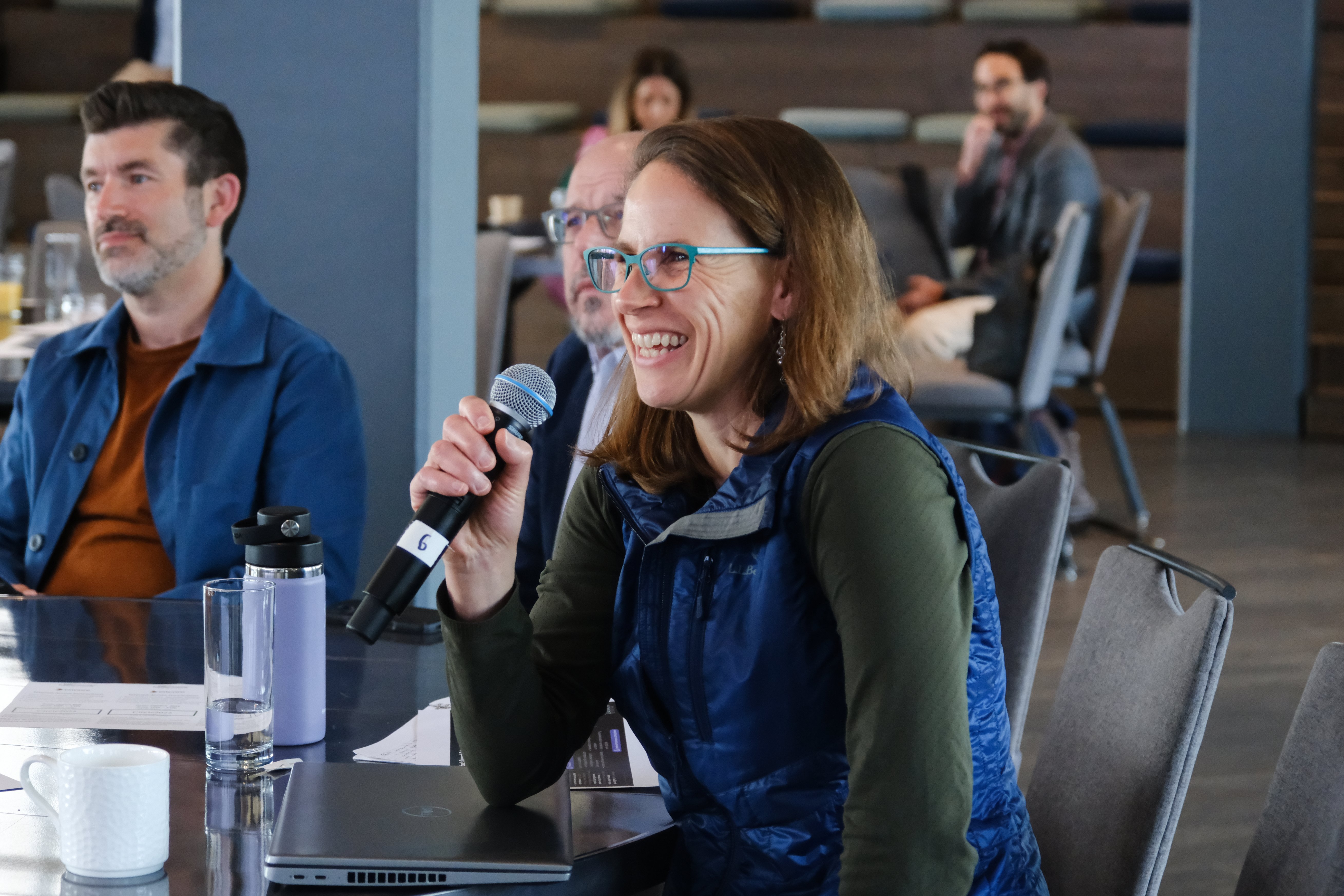
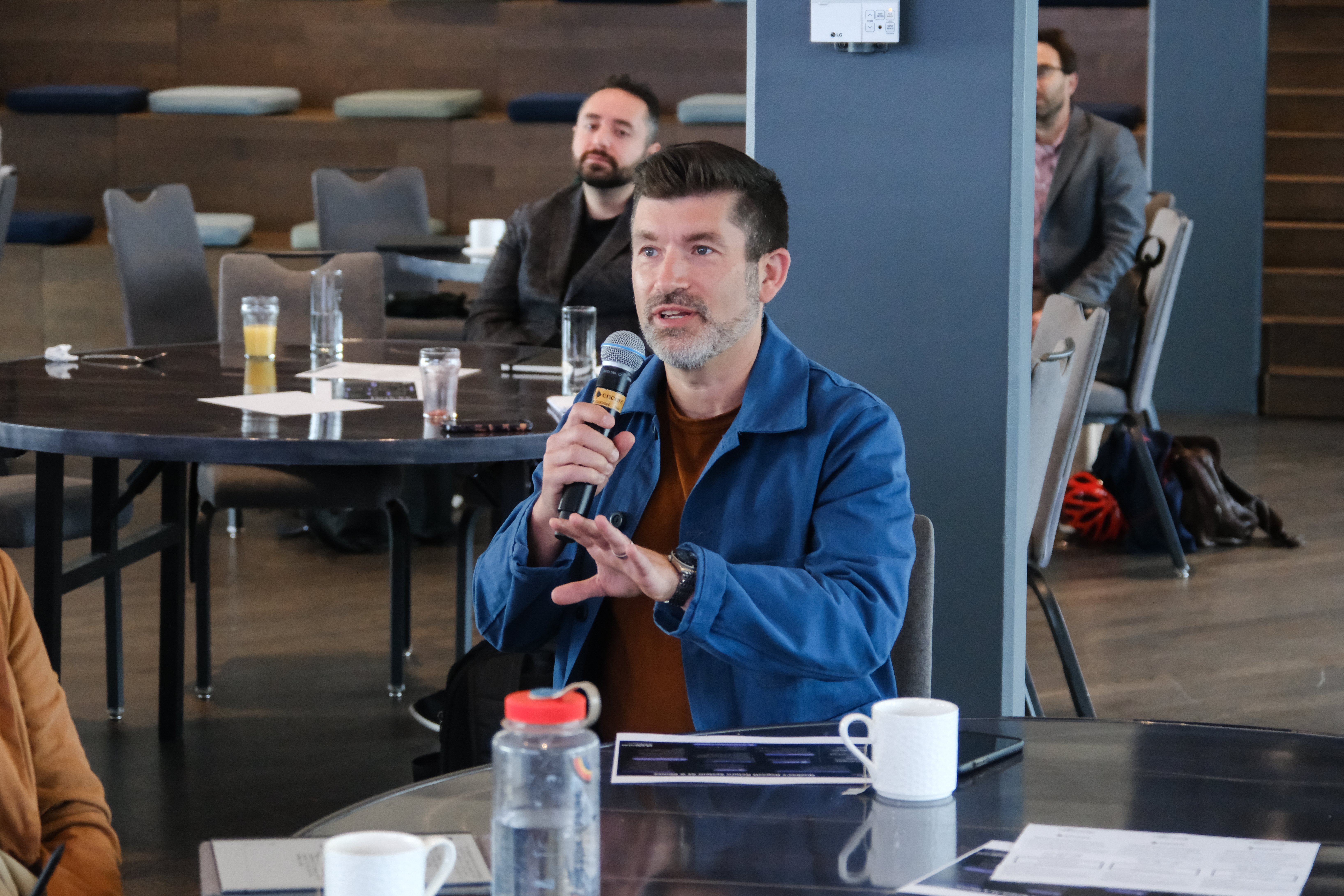
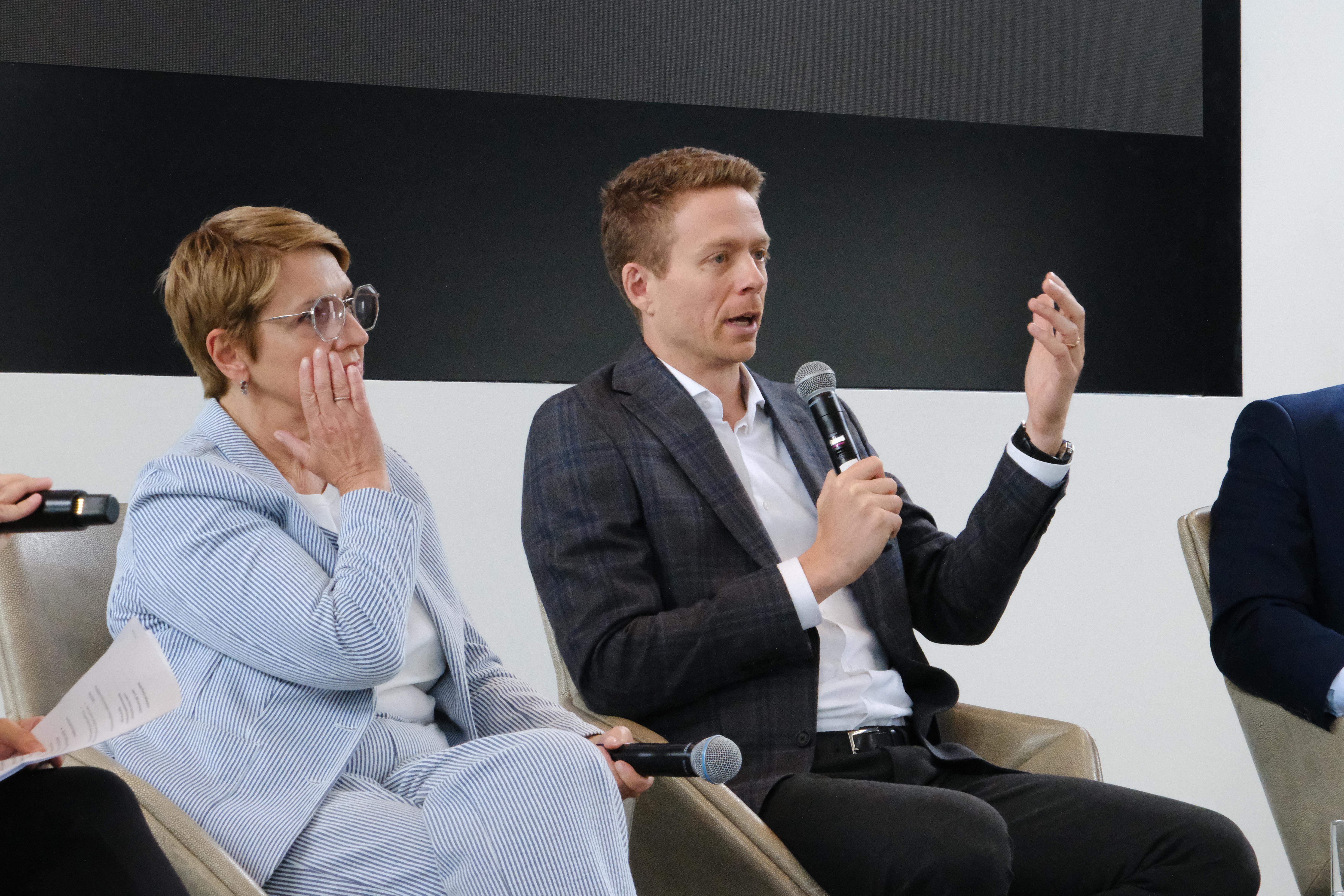
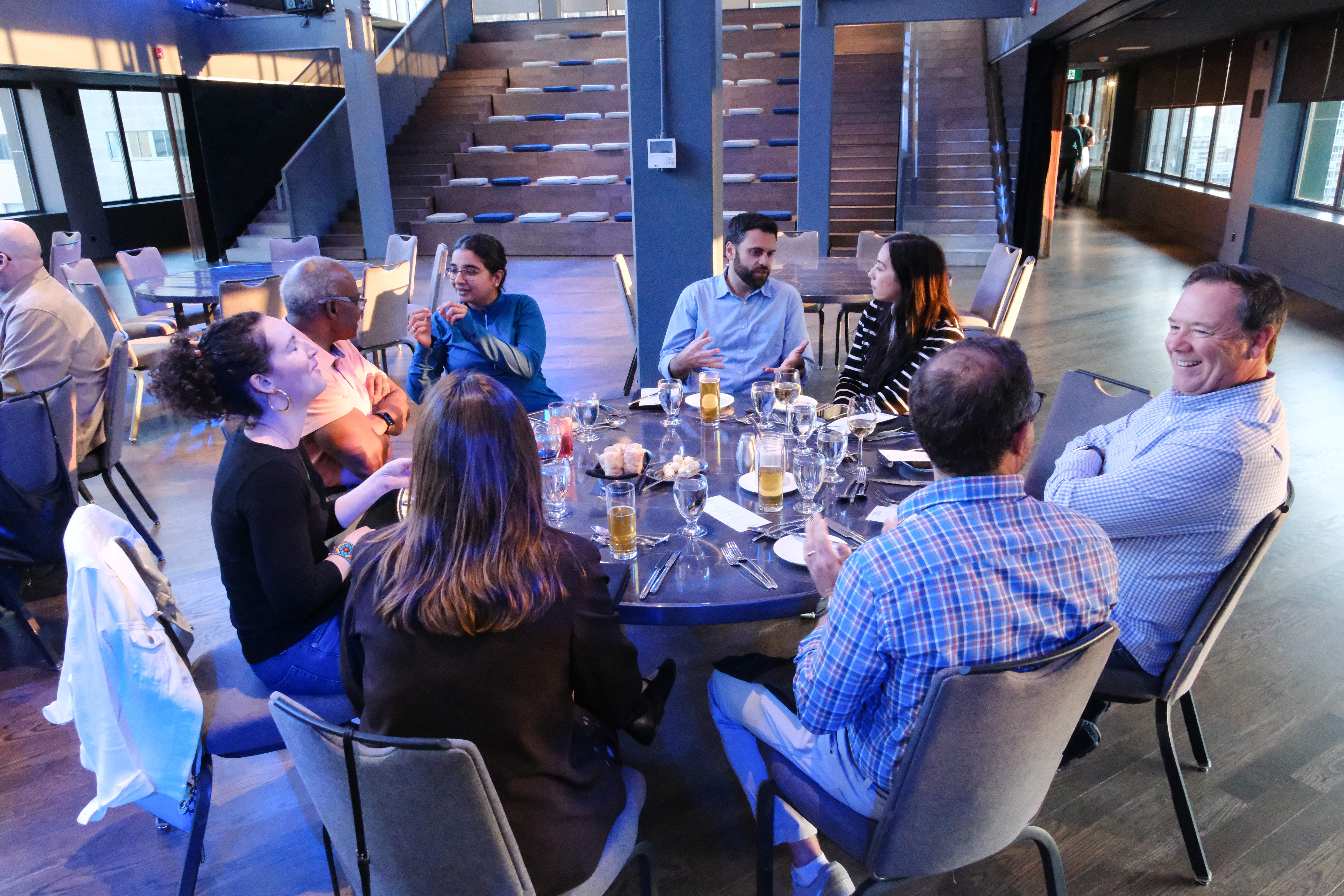
Scenes from Circle's 2025 Montréal expedition.
Circle's 2025 Montréal circular policy expedition
In partnership with NCEL
Circle convenes the expedition with the National Caucus of Environmental Legislators, a nonpartisan network of state legislators working on environmental policy. NCEL helps bring legislators into the room and keeps the programming close to the questions states are weighing now.
Express interest
How to take part
Participation is by invitation and the group is capped so site visits stay workable. Share your interest below and Circle will follow up with details on travel, cost and confirmation, including scholarships for state legislators and key staff.
FAQ
What is the Canadian Circular Policy Expedition?
A four-day trip to Québec for U.S. policymakers and value-chain leaders, built around packaging EPR and a modernized deposit return system running side by side. The week holds three site visits and two deep dives with the organizations that run the two systems, most of it hosted at their own offices and plants, and closes with a working debrief on what any of it means for U.S. states.
When and where is it?
Monday, October 12 through Thursday, October 15, 2026, based in Montréal, Québec, with coach transfers to sites around the city. Plan to arrive Monday, when there is a welcome reception in the evening, and to leave Thursday afternoon or evening. Programming ends mid-afternoon on Thursday.
How is this different from a conference?
There is no exhibition hall and very little stage time. You move through one system in the order material moves through it, from collection to end markets, asking questions of the people operating each part. Most of the week happens on plant floors or in the operators' own offices.
Who can take part?
By invitation, with a small group so site visits stay workable and conversations stay candid. Circle builds the room across legislators and staff, regulators, municipal leaders, producers, operators and technical experts. Express interest on this page and Circle will follow up.
What does it cost, and what's included?
Circle will share full cost details when it follows up on your interest. Programming, ground transport between sites and most meals are covered. Participants book their own flights and hotel. Scholarships are available to some state legislators and key staff; mention it when you express interest.
Do I need a passport?
Yes. U.S. citizens need a valid passport, or another WHTI-compliant travel document, to enter Canada and to return to the United States. Check yours well before October and confirm the entry requirements for your own nationality, since some travellers also need an eTA or a visa. Participants are responsible for their own travel documents.
How physically demanding is it?
Site visits involve standing and walking for long stretches, sometimes on working industrial floors with noise, stairs and uneven surfaces. Closed-toe shoes are required. Sites provide any other protective equipment. Each full day includes coach transfers between sites. Tell Circle about access needs when you confirm and we will sort them out with the sites beforehand.
What language is the programming in?
All programming runs in English. Montréal is a French-speaking city, so some signage and on-site material will be in French. You do not need any French to take part.
Are sessions confidential?
Sessions run under the Chatham House Rule. Participants are free to use what they learn, but may not attribute specific comments to individuals, companies or organizations outside the room. Circle's report afterwards follows the same rule.
Does Circle take a position on these policies?
No. As a neutral convener, Circle does not advocate for any particular circular policy approach. Expeditions are for observation and comparison, and the programming sets out trade-offs rather than conclusions. Programming is held in full compliance with U.S. and Canadian antitrust and competition laws, and is not a forum for coordinating commercial strategy or discussing competitively sensitive information. Each organization makes its own independent business decisions.
Subscribe to Circle Newsletter
Join thousands of leaders shaping circular policy. Get insights delivered.