6:30 – 8:30 PM
Arrival & Informal Networking
Sponsored by

Join us at Boxyard RTP for an informal networking reception with light fare and refreshments, sponsored by EY.
An EPR Readiness Circle Live Event
Building and Implementing SB 54 Individual Source Reduction Plans
The Source Reduction Summit is a working forum for the teams responsible for SB 54 Individual Source Reduction Plans — designed to help you save time, avoid spinning your wheels, and bring the right partners into the room. Producers, suppliers, converters, and technical experts convene together so all parts of the value chain needed to build both compliant and implementable plans are at the table.
Day 1 focuses on the short term: what developing a compliant plan looks like. Understand the five source reduction pathways producers must consider, qualifying actions of change, and how pathways may apply across different portfolios. Day 2 looks at the long term: helping you build a plan that works in practice for your unique products, suppliers, timelines, and operational realities.
Held under Chatham House Rule with anti-trust counsel in the room, the Summit creates a high-trust, compliant environment for candid and meaningful learning.
Arrival Day
Join us at Boxyard RTP for an informal networking reception with light fare and refreshments, sponsored by EY.
Day 1 · Wednesday, June 3
Check in and fuel up ahead of a sharp 9:00 program start. Light snacks & coffee/tea will be available throughout the morning.
The leadership of Circle & RTI welcome participants. Understand why we're convening around source reduction plans and how the next two days are designed to help. Includes Chatham House and Anti-Trust expectations.
 Dave FordCo-Founder · Circle
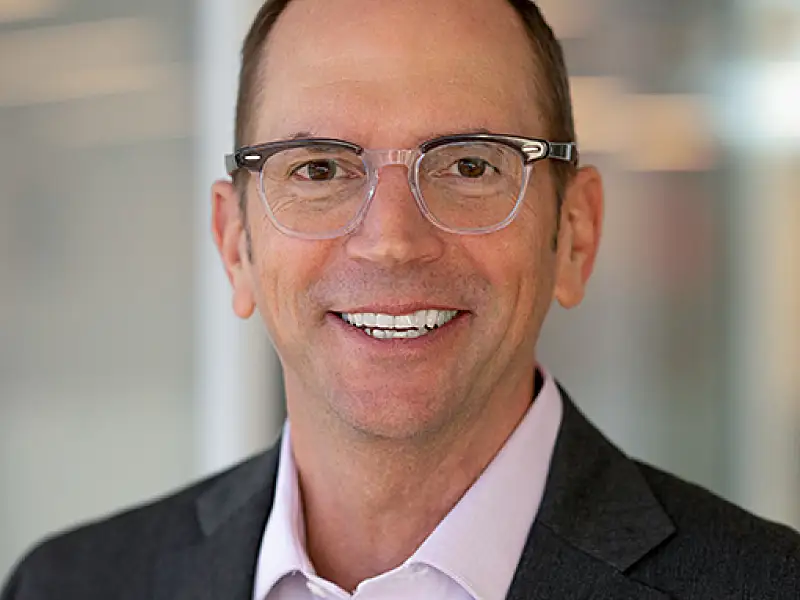 Mike KaelinChief Operating Officer · RTI
Use aggregated, anonymous data from the arrival survey to frame learning goals. Reflect on 5/31 EPR reporting experiences, gauge how prepared producers, suppliers & converters feel moving into source reduction planning, and hear organizations' priority questions.
 Rachel RyanTechnical Programs Lead · Circle
 Dr. Jamie Pero ParkerSustainability Lead · RTI
 Cary StricklandDirector of Innovation · RTI
A moderated fireside discussion with Circular Action Alliance (CAA), the Producer Responsibility Organization (PRO) for packaging EPR in California, focused on role clarity, program intent, and level-setting on SB 54 source reduction requirements. The conversation will distinguish statutory requirements from program guidance and clarify how producers should approach compliance.
Moderated by Dave Ford, Co-Founder · Circle
 Geoff InchSVP, Producer Services · CAADave FordCo-Founder · Circle
CAA provides a clear look at plan expectations: an overview of the 5 pathways to source reduction, deadlines, and common questions.
 Hannah CallowayProducer Engagement & Education Manager · CAA
Guided breakouts. The session helps the value chain understand the 5 source reduction pathways outlined in PRO guidance for Individual Source Reduction Plans: Reuse & Refill; Elimination; Switching to Alternative, Non-Plastic Materials; Right-sizing (Concentrating, Lightweighting & Shifting to Bulk Packaging); and PCR Content as Alternative Compliance.
In rotations, participants explore "viable actions" by pathway through practical examples. Discuss the format types organizations are struggling with. Talk through your compliance questions with these technical experts and your multi-stakeholder group:
Reuse & Refill Pathway
 Crystal DreisbachCEO · Upstream
 Tom DomenCircular Economy Innovation Lead · Eunomia
Elimination Pathway
 Michael WassermanSenior Environmental Consultant · Eunomia
 Natalie HojellSr. Expert, Client Engagement, EPR · Anthesis
Switching to Alternative, Non-Plastic Materials
 Scott MouwSr. Director, Strategy & Research · The Recycling Partnership
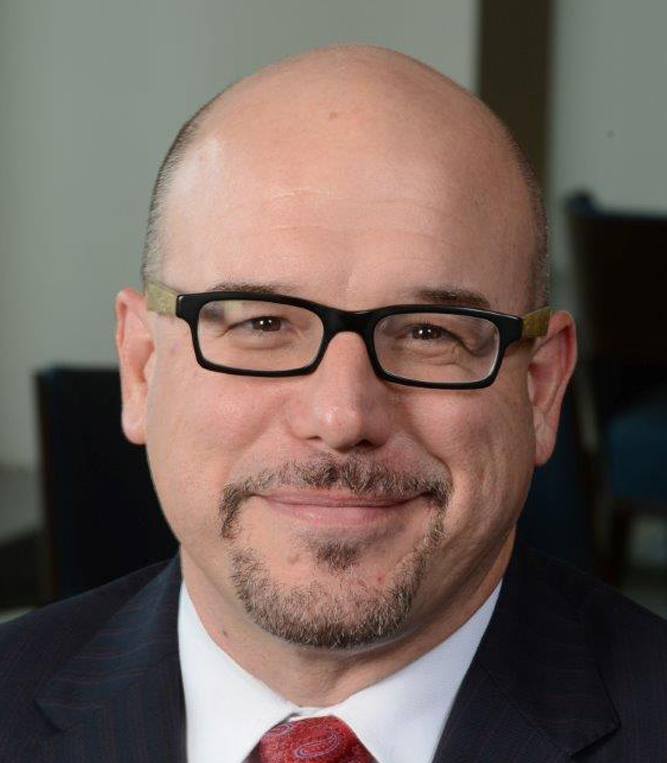 Scott DeFifePresident · Glass Packaging Institute
 Roxanne SharifDirector of Sustainability · Can Manufacturers Institute
Concentrating, Lightweighting & Shifting to Bulk Packaging
 Erika ViolettSr. Consultant & Packaging Engineer · Anthesis
 Nicole KurianSr. Director, Policy Implementation & California Lead · The Recycling Partnership
 Julia CraighillSr. Consultant · Clearyst
PCR Content as Alternative Compliance
 Trina MattaExecutive Director of Policy · The Recycling Partnership
 Emily TipaldoProgram Director & Market Development Committee Lead · Association of Plastic Recyclers
 Russell DavisHead of Products & Services · PCX Markets
Guided breakouts continue from the morning session.
Reflect on remaining compliance questions, common implementation uncertainties, and where teams may still need to better understand regulatory requirements and pathway mechanics. Discuss the rotations and engage in a moderated panel and Q&A.
Moderated by Jesse Medlong, J.D., Sustainability Attorney & Corporate Advisor · DLA Piper
 Jesse Medlong, J.D.Sustainability Attorney & Corporate Advisor · DLA Piper
 Anne BedarfDirector, Global Packaging & Plastics Sustainability · Colgate-Palmolive
 Eadaoin QuinnSustainable Packaging Sr. Manager · Mars
 Molly LavertyDirector, Sustainability Reporting & Engagement · Primo
Technical experts synthesize key takeaways, respond to the raised questions about the pathways, and discuss group Q&A. Producers gain a clearer view of what a strong plan looks like. Suppliers, converters & co-packagers better understand how portfolio shifts may shape procurement needs. Begin to think through what needs to happen "behind the scenes" of plan development.
Moderated by Gabriela Dobrot, Consulting Director · Lorax
 Gabriela DobrotConsulting Director · Lorax
 Felicia Isaac, J.D.Sustainability Attorney & Associate · DLA Piper
 Anna KendallUS EPR Lead & Sr. Manager · EYMichael WassermanSenior Environmental Consultant · Eunomia
 Alyssa DizonPackaging Compliance & Sustainability Product Leader · rePurpose Global
Day 2 · Thursday, June 4
Check in and fuel up ahead of a sharp 9:00 program start. Light snacks & coffee/tea will be available throughout the morning.
Hosted by Circle.
EPR policy is evolving quickly, and adapting is costly. This session explores plausible policy scenarios for the next ~5 years and prompts you to consider what they might mean for your packaging, compliance, and cost exposure. You'll hear about the methods we used to translate trends and signals into policy scenarios, use a framework to consider how you might shift plans and internal models to make "no-regrets" decisions under uncertainty.
 Keith WeitzDirector, Sustainability & Resource Management · RTICary StricklandDirector, Strategy & Innovation · RTI
 Laura MorrisonDirector, Research Economist · RTI Center for Innovation & Applied Economics
Featured producers share how teams aligned internally and communicated with suppliers to evaluate tradeoffs and deliver implementable packaging decisions for products recently brought to market.
Featured speakers coming soon.
Guided breakouts across pathway stations with time to self-select based on unique portfolio needs. Dig deeper into identifying what is an implementable transition for your portfolio.
At pathway stations, explore real-world dynamics like redesign timelines, supplier machinery & manufacturing lines, material availability, infrastructure needs, and performance requirements alongside the suppliers and converters who will be central to implementing these pathways. What general implementation questions does this pathway raise? What types of challenges might organizations encounter?
Reuse & Refill Pathway
Crystal DreisbachCEO · UpstreamTom DomenCircular Economy Innovation Lead · EunomiaElimination Pathway
Michael WassermanSenior Environmental Consultant · EunomiaNatalie HojellSr. Expert, Client Engagement, EPR · AnthesisSwitching to Alternative, Non-Plastic Materials
Scott MouwSr. Director, Strategy & Research · The Recycling PartnershipScott DeFifePresident · Glass Packaging InstituteRoxanne SharifDirector of Sustainability · Can Manufacturers InstituteConcentrating, Lightweighting & Shifting to Bulk Packaging
Erika ViolettSr. Consultant & Packaging Engineer · AnthesisNicole KurianSr. Director, Policy Implementation & California Lead · The Recycling PartnershipJulia CraighillSr. Consultant · ClearystPCR Content as Alternative Compliance
Trina MattaExecutive Director of Policy · The Recycling PartnershipEmily TipaldoProgram Director & Market Development Committee Lead · Association of Plastic RecyclersRussell DavisHead of Products & Services · PCX MarketsLearn about general market capabilities and constraints relevant to source reduction pathways, how suppliers and converters can be engaged effectively, and general feasibility considerations across different pathway categories. Are there shifts that the supply chain and material producers are more ready to make? Reflect on the morning's pathway discussions in a moderated panel and Q&A.
Moderated by Emily Tipaldo, Program Director of Market Development · Association of Plastic Recyclers
Emily TipaldoProgram Director, Market Development · Association of Plastic Recyclers.jpg) Wes CarterPresident · Atlantic PackagingScott DeFifePresident · Glass Packaging Institute
Wes CarterPresident · Atlantic PackagingScott DeFifePresident · Glass Packaging Institute Rob FloresVP, Sustainability Operations & Advocacy · AmcorRoxanne SharifDirector of Sustainability · Can Manufacturers Institute
Reflect on questions and implementation considerations surfaced during the day's breakout discussions. Discuss common challenges teams face when evaluating what readiness for plan submission looks like.
Moderated by Jason Bergquist, CEO · RecycleMe
 Jason BergquistCEO · RecycleMe
 CJ StolleHead of U.S. Circular Economy Public Policy · Amazon
 Rijosh CheruvathurSenior Project Engineer · Kohler Co.
 Stephanie Castle-WernerSr. Environmental Sustainability Partner · QVC
 Allison LinGlobal VP, Healthy Planet & Chief Circularity Officer · MarsDave FordCo-Founder · CircleDr. Jamie Pero ParkerSustainability Lead · RTI
Hosted by Circle & RTI. Gauge where your team stands through real-time, data-driven, anonymous temperature-check on value chain readiness. Synthesize key learnings and flag where resource needs were surfaced throughout the event.