

The textile graveyard is the classroom.
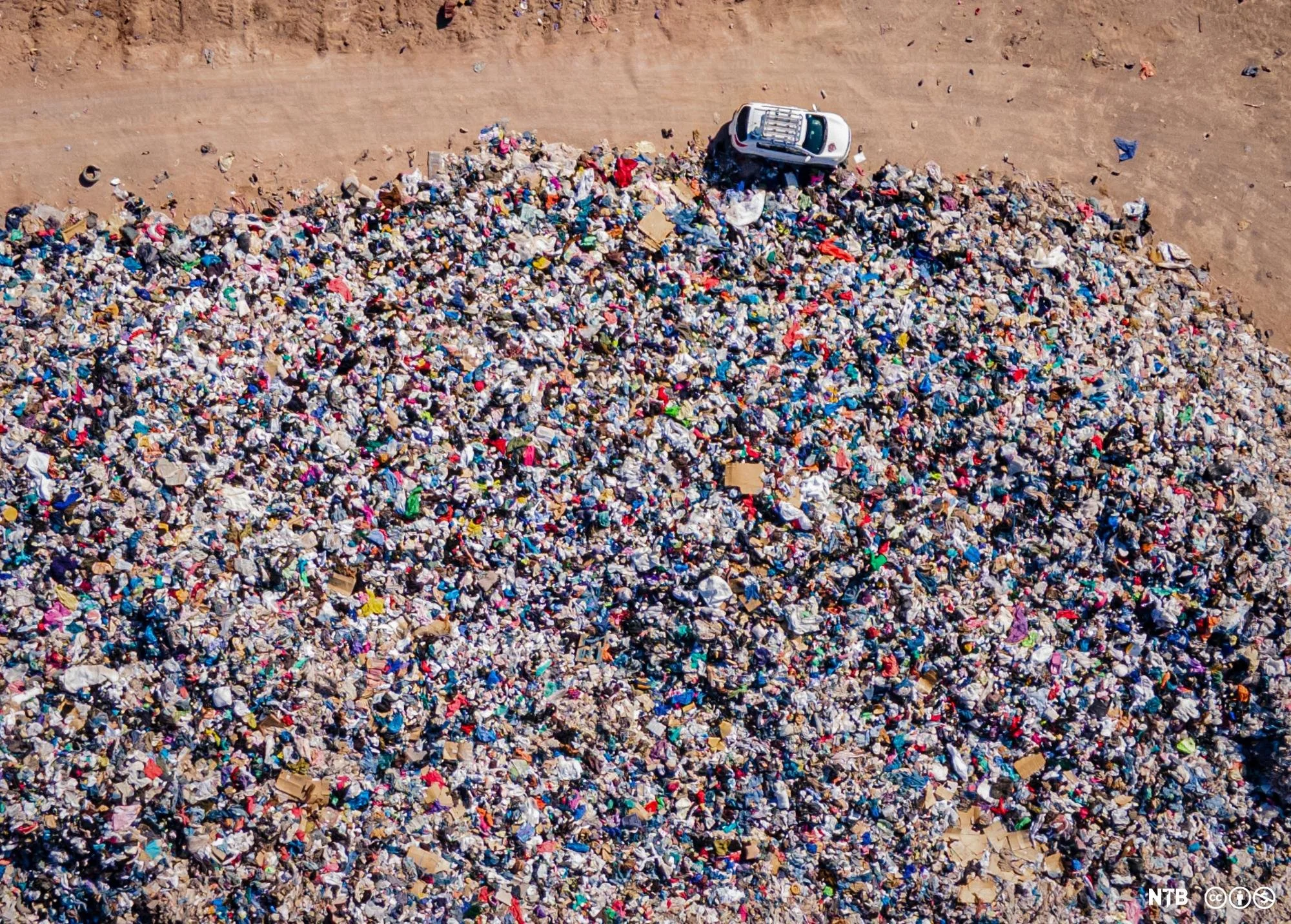
The Textile Waste Expeditionary Summit convenes apparel, footwear, and textile companies, the organizations that recover and manage textiles after use, circularity experts, and policymakers — against the starkest visible symbol of textile-waste mismanagement on earth: the textile graveyards of Chile’s Atacama Desert.
Northern Chile — the Iquique Free Trade Zone (ZOFRI) and the surrounding Atacama — is a concentrated, highly visible example of the complex global secondhand-clothing trade. The widely shared images of desert dumps galvanized public concern, but they show only one slice of a much larger reuse and trade infrastructure that now sits directly in the path of Chile’s new textile EPR rules and emerging U.S. frameworks.
This is a learning experience built for the people shaping active U.S. policy — designed to make the operational, social, and environmental realities of global textile flows legible before Extended Producer Responsibility scales nationally.
Iquique and Alto Hospicio, told in pictures.
Sixty thousand tonnes of discarded clothing reach this desert every year — much of it unworn, still tagged, shipped from continents away to a place that cannot absorb it. This is what participants will stand in front of.


Firsthand observation, then implementation-focused dialogue.
Participants travel to Iquique and Alto Hospicio to observe how used textiles are imported, sorted, graded, and re-exported — and how the free-zone model depends on specific tariff classifications (HS 6309) and trade agreements. They study residual fractions: how much material is genuinely non-reusable, how it is baled and stored, how dumping patterns compare with several years ago, and how new recycling capacity is being planned in response to policy signals.
The expedition creates a direct bridge between what participants see and the policy choices ahead — with panels, workshops, and dialogue alongside Chilean policymakers, municipal officials, NGOs, and technical experts.
Through this expedition, U.S. stakeholders will
A neutral guide for the policy that follows.
A neutrally convened CircleGuide on Textile EPR, published in 2027 to support U.S. state agencies, legislators, brands, and system operators — drawing on insights from this expedition and subsequent virtual sessions.
- →Provide firsthand exposure to the realities and limitations of current global textile recovery systems.
- →Build cross-sector understanding across policymakers and textile circularity stakeholders.
- →Increase understanding of operational realities and limitations of recovery systems in the U.S. and globally.
- →Explore how U.S. PROs and brands might coordinate with Chilean authorities to avoid double charging and gaps in responsibility.
- →Draw lessons from international textile EPR and circularity programs, including Chilean experts.
- →Support practical discussions on collection, reuse, sorting, recycling, and responsible end markets.
- →Help inform future U.S. textile EPR frameworks.
- →Foster relationships and ongoing information exchange beyond the expedition itself.
Five days, end to end.
Arrivals into Santiago. 8:00 PM CLT — opening drinks, networking reception, and expedition orientation.
Policy briefings and a textile-systems overview, then travel to Northern Chile and the Iquique region.
Field visits to textile accumulation sites, recovery initiatives, and reuse systems, with stakeholder dialogue alongside local NGOs and technical experts.
Implementation-focused workshops on textile EPR, recovery infrastructure, responsible end markets, and future U.S. policy considerations.
Departures and return travel to the United States.
A deliberately mixed table.
The summit follows Circle’s established model of neutral, multi-stakeholder convening — developed across packaging EPR, circular policy, and material recovery. All programming is educational in nature.
State legislators, regulators, and agency staff working directly on U.S. textile EPR
Apparel, footwear, and textile brands and retailers covered by U.S. EPR laws
Resale, recommerce, collection, sorting, and recycling companies
NGOs and circularity-focused investors in EPR design and infrastructure
Technical experts in materials, trade, and waste systems who advise on policy
We have run the expedition before.
Circle has spent ten years convening unlikely stakeholders across highly polarized material and policy debates — packaging EPR, advanced recycling, circular infrastructure, and the global plastics treaty negotiations.
The approach is rooted in neutral facilitation, firsthand learning, and systems-level dialogue — built to increase understanding across sectors that rarely engage constructively in the same room.
The Textile Waste Expeditionary Summit extends that model into the textile sector, at a moment when U.S. policy momentum, infrastructure limits, and global waste consequences are converging.
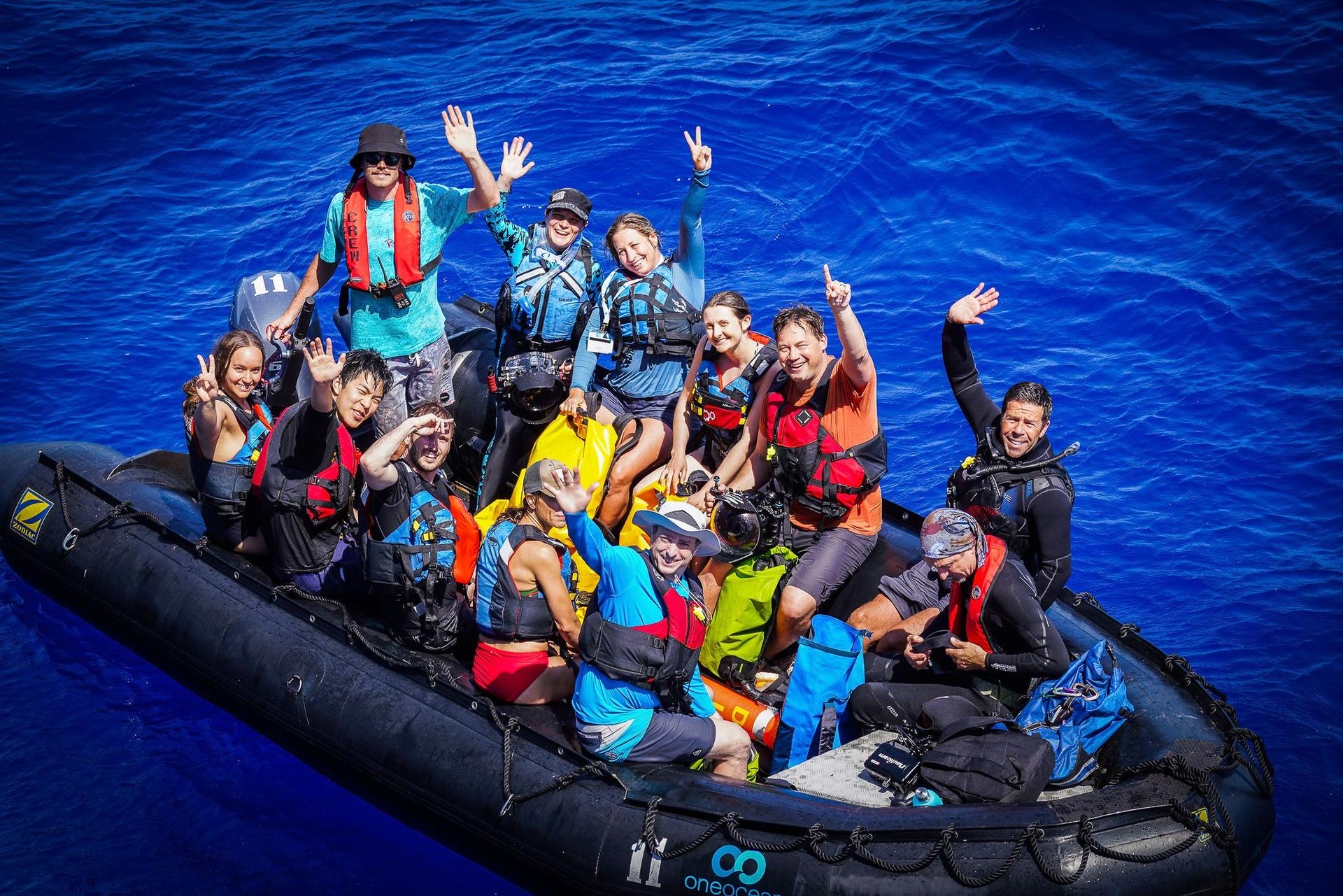
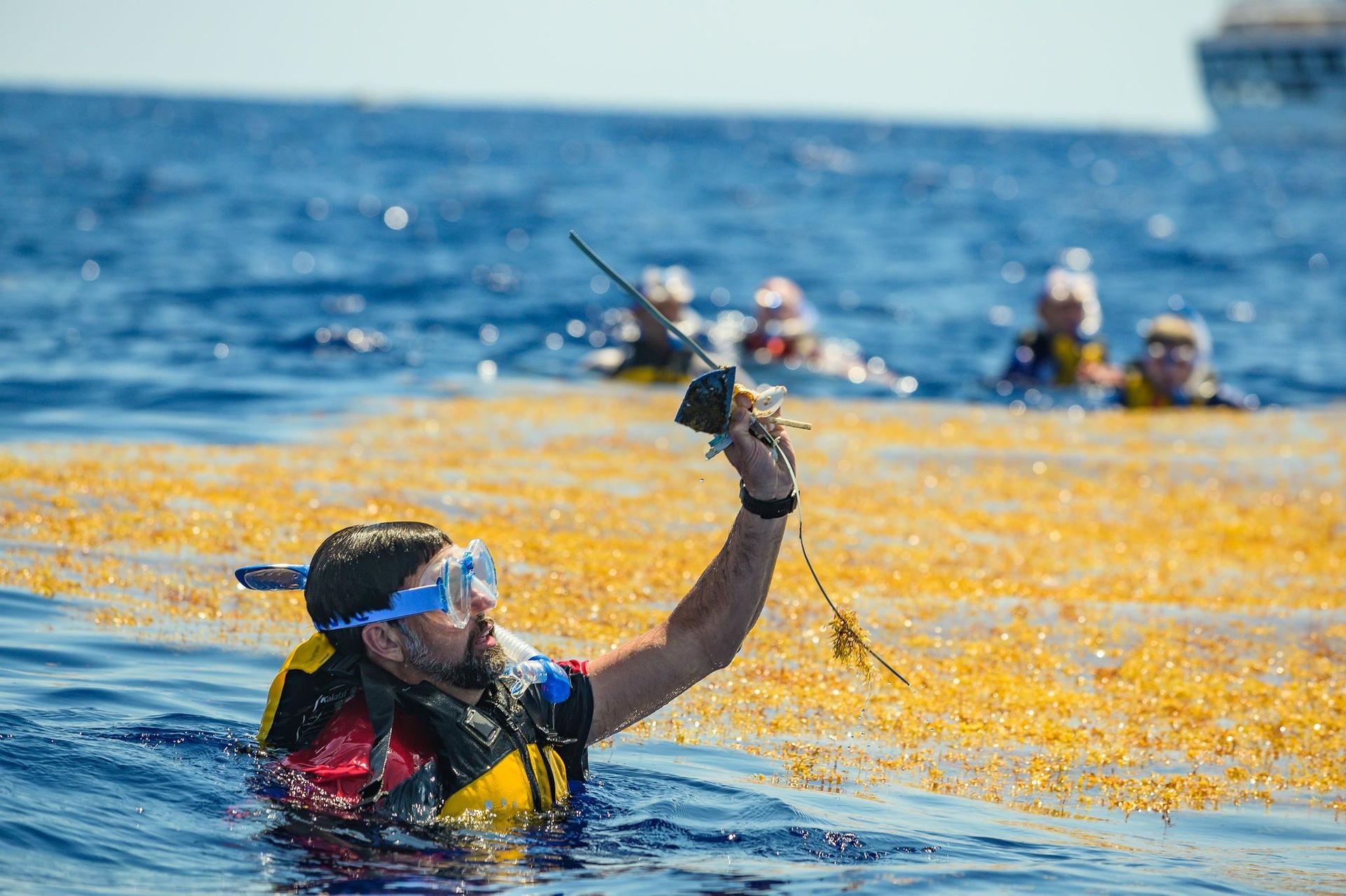
The 2019 Ocean Plastics Expedition


Become a founding supporter.
A limited number of organizations will serve as founding supporters of the expedition and the Circular Leadership Network (CIRCLE) for Textiles — a neutral, multi-stakeholder educational platform advancing textile circularity policy and implementation readiness across North America.
Support underwrites the expedition, subsidizes participation by policymakers and regulators, funds the Textile EPR CircleGuide, and seeds ongoing programming. All tiers include Founding Membership in CIRCLE for Textiles through December 2027.
- +8 guest rooms & 8 participation slots
- +Founding Partner recognition throughout all materials
- +Premier logo placement on event & participant materials
- +Verbal recognition at opening & closing plenaries
- +Input into two workshops or dialogue sessions*
- +Priority access to curated networking
- +Sponsor of one expedition dinner
- +5 guest rooms & 5 participation slots
- +Expedition Partner recognition in materials
- +Prominent logo placement on signage & materials
- +Acknowledgment during plenary programming
- +Input into one workshop or dialogue session*
- +Sponsor of one expedition dinner
- +Enhanced visibility in partner communications
- +2 guest rooms & 2 participation slots
- +Supporting Partner recognition in materials
- +Logo on shared signage & expedition webpage
- +Recognition during collective partner acknowledgments
- +Sponsor of one breakfast, lunch, reception, or happy hour
- +1 guest room & 1 participation slot
- +All programming, field visits, workshops & networking
- +Listed among participating organizations
- +Founding Membership in CIRCLE for Textiles
*Input opportunities are subject to Circle’s neutral convening principles. Dinner and meal sponsorships include signage and welcome remarks consistent with the educational nature of the event.
What’s included in CIRCLE for Textiles.
Founding Membership runs through December 2027 — a continuing platform for readiness, immersion, and cross-sector learning.
The Textile EPR CircleGuide and related educational resources
Textile EPR Readiness programming for emerging policy requirements
Access to policy immersions, study expeditions, and learning opportunities
Programming alongside policymakers, brands, collectors, sorters, recyclers, NGOs, and experts
Preferred access to future CIRCLE for Textiles expeditions, study tours, and leadership programs
In keeping with Circle’s neutral convening model, all recognition emphasizes support for educational programming, systems understanding, and cross-sector dialogue — never advocacy, product promotion, or policy positions. Recognition supports the participant experience while preserving the independence of programming and public-sector participation decisions.
In accordance with applicable ethics rules and government-integrity requirements, partners have no role in determining, directing, or influencing invitations to elected officials, government employees, regulators, or other public-sector participants. All such decisions are made solely by Circle, in its independent discretion and consistent with applicable law.
Stand in the desert. Then help write what comes next.
We would welcome the chance to walk you through founding support and options for the November–December 2026 expedition.
Proposal for the Textile Waste Expeditionary Summit convened by Circle by OPLN. Field reference: the Atacama Desert, Tarapacá Region, Chile. Expedition photography © OPLN; Atacama desert imagery via Unsplash (free license). All programming is educational in nature. Chatham House Rule observed. Reviewed for antitrust compliance.