
Source Reduction Summit: Getting Ready for SB 54

Inside the Source Reduction Summit: Getting Ready for SB 54
In June 2026, Circle (The Circular Policy Leadership Network) and RTI convened the Source Reduction Summit — a two-day, in-person working forum for the packaging producers, suppliers, converters, and advisors covered by California's SB 54. It landed just after the first annual supply-data deadline and pointed teams toward the next milestone: the Individual Source Reduction Plan (ISRP), due August 1, 2026.
This post is a quick overview. For the full, data-rich findings, see the Source Reduction Summit findings page.
What SB 54 asks of producers
California's SB 54 sets ambitious 2032 targets for plastic packaging: a 25% source reduction (by weight and by component count), a 65% recycling rate, and 100% of packaging recyclable or compostable. The ISRP is the forward-looking plan that shows how a producer expects to contribute.
The core insight: readiness is an internal problem
The recurring conclusion from the room was simple and direct: reading the law is the easy part. The hard part is deciding what to do — and who owns it — across procurement, finance, packaging engineering, legal, marketing, and operations. A strong plan is less a compliance document than the start of an ongoing internal capability.
The five SB 54 source-reduction pathways
Every reduction action maps to one of five pathways:
- Reuse & refill
- Elimination
- Switching to non-plastic materials
- Right-sizing, lightweighting & concentrating
- PCR (post-consumer recycled content) as alternative compliance
How the room worked: 50 case studies
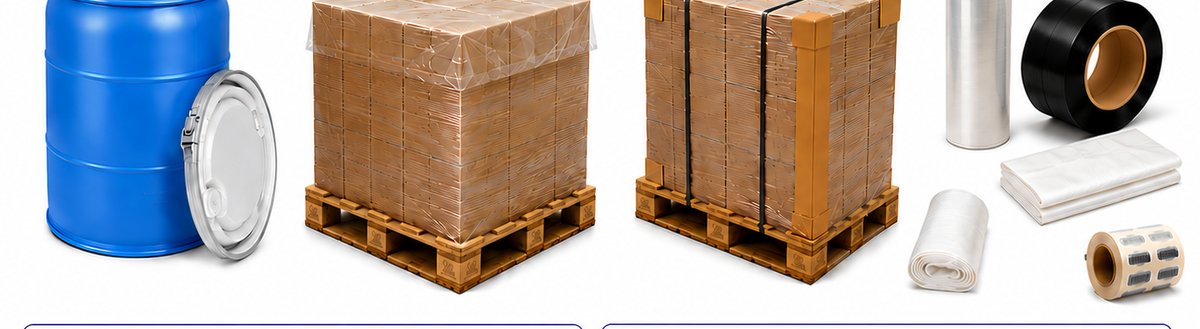
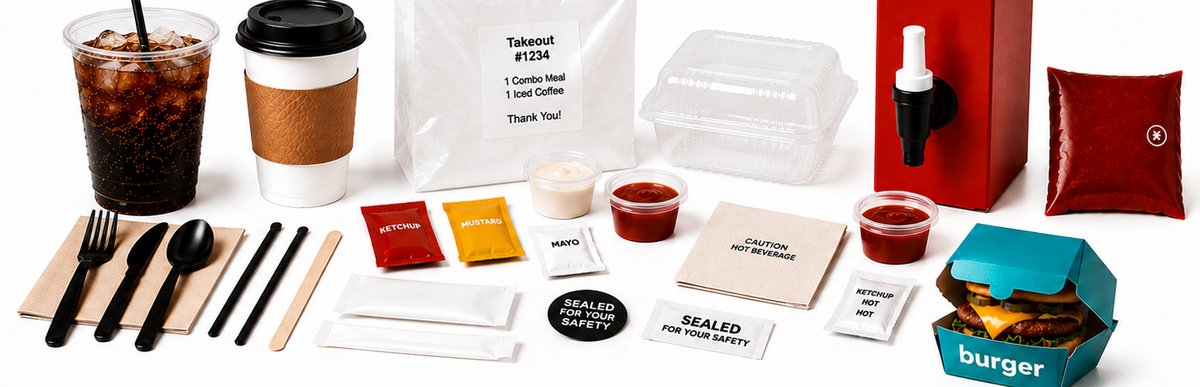
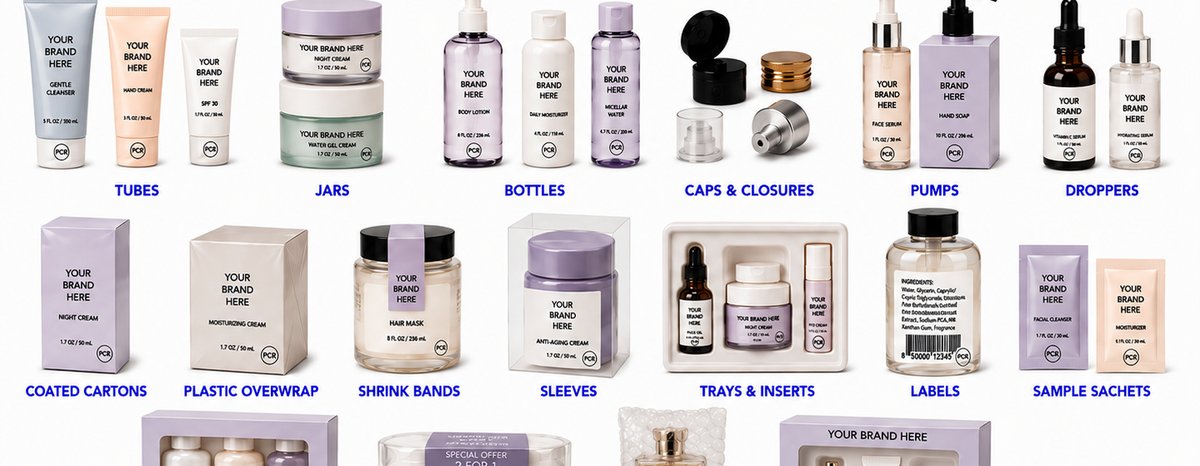
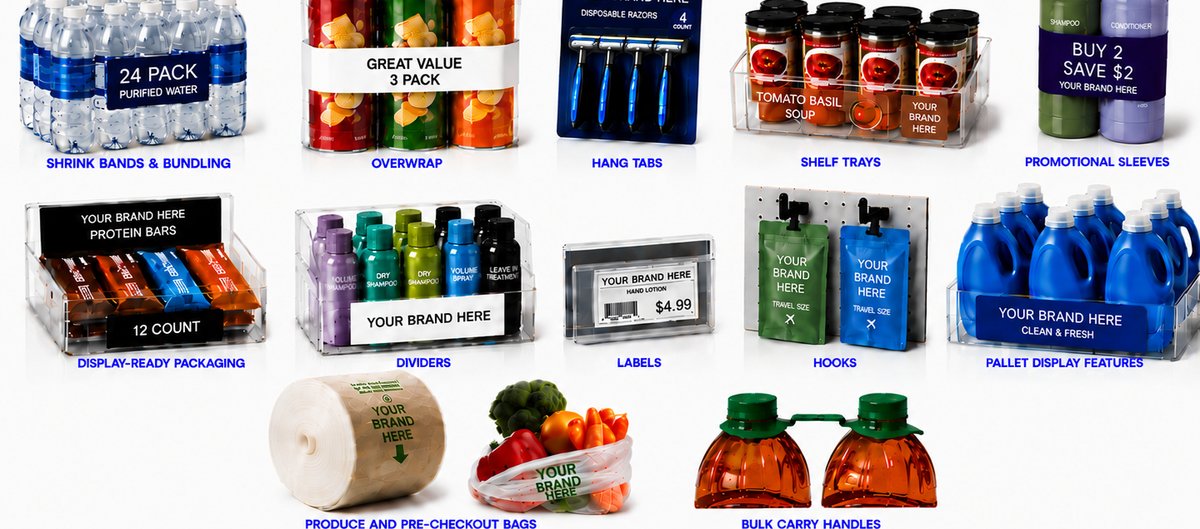
The hands-on core was a grid of 50 real packaging case studies — ten sector groups (food, household, B2B/transport, e-commerce, QSR, cosmetics, retail, and CRV-exempt beverages) across the five pathways. Day 1 tested whether each reduction action was viable; Day 2 tested how to implement it.
What participants recommend
A few no-regrets moves that pay off regardless of how the rules settle:
- Build a component-level packaging database once — it powers reporting, fee modeling, and scenario planning.
- Bring the whole company in early, starting with procurement.
- Write your assumptions into the plan to manage greenwashing and disclosure risk.
- Start with your hardest, highest-volume packaging.
- Plan in good faith and treat suppliers as partners.
By the close, self-rated understanding of the ISRP jumped sharply — 97% of participants left rating their grasp "moderate" or better.
Read the full findings
This is a summary. The complete synthesis — scenarios, trade-offs, the case-study sectors, and what the two days changed — lives on the Source Reduction Summit findings page.
Anonymized, aggregate findings from a June 2026 EPR Readiness Circle convened by Circle and hosted by RTI. Chatham House Rule observed. Reviewed for antitrust compliance.
Subscribe to Circle Newsletter
Join thousands of leaders shaping circular policy. Get insights delivered.