
Washington

Submission Authors
Circle brings together voices shaping extended producer responsibility policy
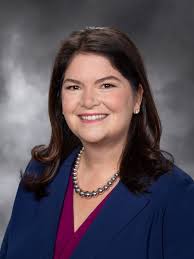

Representative Liz Berry, Washington State House of Representatives, served as prime sponsor of the Recycling Reform Act (HB 1150/SB 5284), which established EPR for packaging in Washington State. This submission also includes insights from McKenna Morrigan, the waste prevention and product stewardship policy advisor for the City of Seattle.
Recommendations for Policymakers Developing Circular Policy & EPR for Packaging:
1. Don’t reinvent the wheel. EPR policy in the United States is rapidly evolving and legislators in other states are negotiating with the same national stakeholders and producers as you. For example, Washington and Minnesota have similar solid waste systems, stakeholder groups, and local government budget challenges. Washington used language that was negotiated and passed in Minnesota around the funding model and Minnesota used the “producer definition” that we in Washington had worked for two years to negotiate. This made bill passage easier in both states and contributed to harmonization in the national EPR discussion. Reference the latest bills that have passed, or consider what a state similar to yours has passed. Talk to those authors and those states to see how you can formulate your bill. Your waste system will be unique, but the EPR system doesn’t need to be.
2. Have a partner. I partnered and worked closely with a local solid waste management expert, McKenna Morrigan, who helped me write language, meet with external stakeholders, and provide context for what local governments in Washington needed to reform recycling and waste management. It was especially helpful to have McKenna’s public sector expertise so she could answer my questions and keep the public top of mind when making decisions.
3. Be engaged. You will need to be present in the negotiations and make decisions. EPR is complicated and requires tenacity to successfully negotiate a bill into law. Bill sponsors need to be present in meetings with advocates and opposition, build in-state coalitions made up of local governments, enviros, tribes and organized labor, talk to their colleagues, and ultimately decide how and when to compromise. This isn’t the type of bill you can hand off to a lobbyist and hope for the best. You can do it, but it will take hard work and determination.