
Maryland

Submission Author
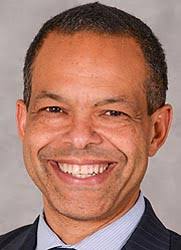
Senator Malcolm Augustine, Maryland Senate served as the Chief Author of SB 901, which established EPR for packaging and paper products in Maryland. Before sponsoring this bill, he passed a separate needs assessment on solid waste in Maryland, which demonstrated the need for SB 901 to reorganize our packaging waste into an EPR system.
Recommendations for Policymakers Developing Circular Policy & EPR for Packaging Policies:
1. Have a baseline Needs Assessment. This aided greatly in sequencing Maryland’s EPR law: Maryland is unique among other states that passed EPR for packaging because we first passed a recycling needs assessment. Other states passed a Needs Assessment as part of their EPR laws, but we needed to separate the two. This allowed Maryland to have a better sense of the scope of what needed to be done to reinvent our recycling system. This was critical to getting the sequencing of EPR implementation correct. Our implementation timelines are also shorter because Maryland now has the Needs Assessment, but also an Advisory Council and PRO that can immediately take action to improve our waste management.
2. Be perseverant. Finding recycling solutions is hard and will take many years. It is important to understand your state’s recycling infrastructure. In my state, each county and municipality has a unique solid waste management system and we needed to develop a law that would support every community in Maryland. Sequencing the EPR timeline and rollout took time to make sure every party had the information and buy-in to implement the law when it was passed last spring. We took lessons from other states that passed EPR or were working on similar policies and incorporated them into our bill. This didn’t happen in one legislative session but rather over the course of several. Don’t give up!
3. Stakeholder management is key. In Maryland we developed several coalitions to aid in passing our law. We had unique coalitions made up of local governments, advocates for health and the environment, and brand producers all advocating for EPR. They advocated for EPR not only at the Capitol, but also amongst themselves. We worked intentionally to develop champions among producers who could talk producer to producer and champion the bill. It’s also important to recognize there are some parties who will stay a hard no on EPR and cannot be moved. They might try to take advantage of the lengthy and intentional process to stall bill passage. Working with your stakeholders will help ensure you have a coalition that shares your goals even as you compromise and negotiate. "